



Fast Shipping
Carrier information

20k products
Payment methods

24/7 Support
Unlimited help desk

5-Years Warranty
Container warranty
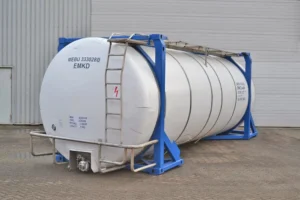
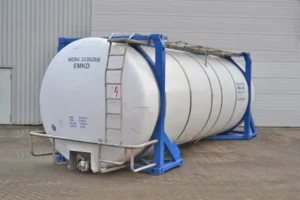
What Is a Swap Body Tank?
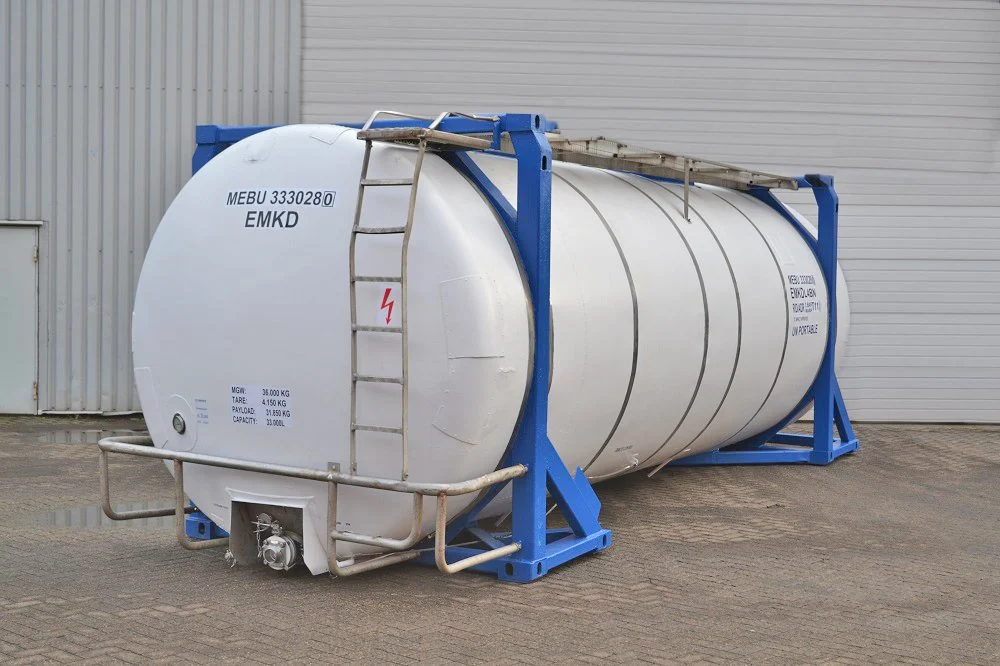
A Swap Body Tank is a high-capacity tank container designed primarily for transporting and storing bulk liquids using road and rail networks, particularly within Europe. Unlike a conventional 20ft ISO tank, a swap body tank is generally longer and wider, allowing significantly greater liquid capacity.
The design is especially useful for intermodal road and rail logistics, where companies need to move large quantities of liquid cargo efficiently without transferring the liquid between storage vessels.
For businesses searching for a swap body tank for sale in the USA and Europe, these units can provide an efficient solution for chemical logistics, food-grade liquids, industrial fluids, oils, and other approved cargoes.
Important: Tank suitability depends on the cargo, tank design, pressure rating, applicable dangerous-goods classification, and destination regulations. Always verify the exact tank certification and technical documentation before loading or transporting any product.
Why Choose a Swap Body Tank?
Higher Capacity Than Standard ISO Tanks
One of the main advantages of a swap body tank is its larger cargo capacity.
Standard ISO tank containers commonly provide capacities in the approximately 21,000–27,000-liter range, while swap body tanks can reach approximately 29,000–35,000 liters.
This increased capacity can help businesses move more product per transport unit while making better use of road and rail logistics.
Designed for Road and Rail Transport
Swap body tanks are particularly associated with European intermodal transportation. Their dimensions and construction are designed around regional road and rail transport requirements. UNECE documentation describes swap bodies as regional transport containment units designed for road and rail transport within Europe.
This makes them attractive to:
- Chemical distributors
- Food manufacturers
- Oil companies
- Industrial suppliers
- Logistics companies
- Tank operators
- Agricultural businesses
- Manufacturing companies
- Liquid commodity traders
- Tank container resellers
Efficient Bulk Liquid Logistics
Instead of transporting liquids in numerous drums or smaller containers, businesses can consolidate substantial quantities into one purpose-built tank.
Depending on the cargo and tank specification, swap body tanks may be used for:
- Liquid chemicals
- Edible oils
- Vegetable oils
- Syrups
- Food ingredients
- Juices and concentrates
- Dairy products
- Industrial oils
- Lubricants
- Polymers
- AdBlue/urea solutions
- Acids
- Alkalis
- Other approved bulk liquids
Tank manufacturers and suppliers offer different tank designs for food, chemical, and industrial products, so the exact cargo compatibility must always be verified before use.
Swap Body Tank Specifications
Specifications differ according to manufacturer, tank type, capacity, and regulatory approval.
A representative high-capacity model can have specifications similar to the following:
| Specification | Example / Typical Range |
|---|---|
| Product | Swap Body Tank Container |
| Capacity | Approximately 29,000–35,000 L |
| Common Capacity | 30,000–35,000 L |
| Approx. US Gallons | 7,660–9,245 gal |
| Length | Approximately 7.15–7.82 m |
| Width | Approximately 2.55 m |
| Tank Material | Commonly stainless steel |
| Common Stainless Steel | 316L / 1.4404 |
| Application | Bulk liquid transportation/storage |
| Transport | Road and rail; some short-sea applications |
| Insulation | Available on many models |
| Heating/Cooling | Available on selected configurations |
| Walkway | Available on many commercial models |
| Safety Railing | Available depending on design |
| Bottom Outlet | Common configuration |
| Filling Hatches | Manufacturer-dependent |
| Certification | Depends on cargo and intended market |
For example, one commercially documented 35,000-liter swap body tank has a frame approximately 7,820 mm long and 2,550 mm wide, with a tare weight of about 4,530 kg and maximum gross weight of 39,000 kg.
These figures are examples rather than universal specifications. Buyers should request the manufacturer’s exact technical sheet for the individual unit.
30,000 Liter Swap Body Tank
A 30,000 liter swap body tank is one of the popular configurations for companies seeking a balance between high capacity and transport practicality.
A 30,000-liter tank provides approximately 7,925 US gallons of nominal volume.
Potential applications include:
- Chemical distribution
- Food ingredients
- Industrial liquids
- Oils
- Water and liquid products
- Agricultural liquids
- Manufacturing feedstocks
- Bulk liquid storage
The exact suitability depends on the tank’s design, material, insulation, pressure rating, and certification.
35,000 Liter Swap Body Tank
A 35,000 liter swap body tank provides approximately 9,245 US gallons of nominal capacity.
This large-volume configuration can be attractive for businesses handling substantial liquid quantities.
Commercial 35,000-liter examples can incorporate stainless-steel construction, insulation, walkways, handrails, multiple connections, and heating/cooling options.
For high-volume logistics, this can provide an efficient alternative to moving equivalent quantities in smaller tank units.
Stainless Steel Swap Body Tanks
Many swap body tanks are manufactured with stainless-steel vessels because stainless steel can provide durability and corrosion resistance suitable for many liquid applications.
316L stainless steel is used in numerous commercial tank designs. For example, published swap-body specifications include 316L stainless-steel construction to DIN 1.4404.
However, stainless steel does not automatically mean that a tank is compatible with every chemical or food product. Chemical compatibility must be checked against the specific cargo, concentration, temperature, pressure, and tank design.
Insulated Swap Body Tank
Insulation can be an important feature when transporting liquids whose viscosity or temperature needs to be controlled.
Depending on the design, swap body tanks can incorporate:
- Mineral wool insulation
- Rock wool insulation
- Protective cladding
- Steam heating
- Glycol heating/cooling
- Temperature-control systems
Some commercial models use approximately 50 mm of insulation, while other manufacturers offer different insulation thicknesses and materials.
This can be particularly useful for temperature-sensitive or viscous liquids.
Applications of Swap Body Tanks
Chemical Transportation
Swap body tanks can be configured for various industrial chemicals, subject to appropriate certification and compatibility.
Potential cargoes include:
- Acids
- Alkalis
- Solvents
- Polymers
- Plasticizers
- Industrial chemicals
- Oils
- Chemical intermediates
Food & Beverage Transportation
Food-grade tank containers can be used for approved food liquids such as:
- Milk
- Cream
- Vegetable oils
- Syrups
- Juices
- Concentrates
- Molasses
- Liquid chocolate
- Food ingredients
Specialized food-grade tanks should meet the applicable food-contact requirements for the intended market and cargo.
Industrial Oils & Lubricants
Swap body tanks can also support the transportation of various industrial fluids, including approved:
- Base oils
- Hydraulic oils
- Lubricants
- Heat-transfer oils
- Petroleum-related products
The tank’s exact specification should be matched to the product.
Agricultural Liquids
Agricultural businesses can potentially use suitable tanks for:
- Fertilizer solutions
- Agricultural chemicals
- Liquid additives
- Food-processing liquids
- Other approved agricultural products
Again, chemical compatibility and regulatory approval are essential.
Swap Body Tank vs. Standard ISO Tank
A swap body tank is not simply a larger version of a standard 20ft ISO tank.
| Feature | Swap Body Tank | Standard ISO Tank |
| Typical Capacity | Approx. 29,000–35,000 L | Approx. 21,000–27,000 L |
| Typical Length | Approx. 7.15–7.82 m | Approx. 6.06 m |
| Primary Market | Particularly Europe | Global |
| Road Transport | Yes | Yes |
| Rail Transport | Yes | Yes |
| Larger Cargo Capacity | Yes | Lower |
| Insulation Options | Common | Available depending on unit |
| Heating/Cooling | Available | Available depending on unit |
| Maritime Container-Ship Use | Not generally equivalent to ISO tank use | Designed for intermodal container shipping |
| European Logistics | Excellent fit | Excellent fit |
Published industry specifications show swap body capacities reaching approximately 35,000 liters compared with lower capacities for standard ISO tanks.
Swap Body Tank for the European Market
Europe is one of the most important markets for swap body tanks.
Their regional dimensions and road/rail characteristics make them particularly suitable for European logistics networks.
For European buyers, important considerations include:
- ADR requirements
- RID requirements for rail
- Applicable EN standards
- Tank design approval
- Inspection certificates
- Cargo classification
- Loading requirements
- Unloading requirements
- Maximum permitted gross weight
- Road and rail compatibility
European regulatory frameworks treat a tank swap body as a tank-container for relevant dangerous-goods purposes.
Swap Body Tanks for the USA Market
The US market can also be relevant for specialized bulk-liquid logistics, industrial storage, and equipment resale.
However, European swap body dimensions should not automatically be assumed to meet every US transportation requirement.
US buyers should verify:
- Applicable federal requirements
- State regulations
- Cargo classification
- DOT/PHMSA requirements where applicable
- Tank certification
- Transport equipment compatibility
- Road weight restrictions
- Loading and unloading requirements
- Destination-site requirements
New vs. Used Swap Body Tanks
New Swap Body Tank
A new unit may be ideal for buyers who want:
- New vessel construction
- Current certification
- Modern fittings
- Customized specifications
- New insulation
- Heating/cooling options
- Manufacturer support
- Long-term commercial use
Used Swap Body Tank
A used swap body tank can offer a potentially lower purchase cost and can be attractive to resellers, logistics companies, and businesses seeking additional tank capacity.
Before purchasing used equipment, inspect:
- Tank shell
- Frame
- Welds
- Valves
- Gaskets
- Manlid
- Bottom outlet
- Connections
- Walkway
- Handrails
- Insulation
- Cladding
- Heating system
- Previous inspection records
- Certification
- Tank history
Some suppliers offer refurbished units with updated certification, making documentation an important part of the buying decision.
Why Swap Body Tanks Are Attractive to Resellers
For equipment dealers and wholesalers, the Swap Body Tank can serve several commercial markets.
Potential customers include:
- Tank container operators
- Chemical companies
- Food manufacturers
- Logistics companies
- Freight forwarders
- Industrial distributors
- Oil companies
- Agricultural businesses
- Manufacturing plants
- Storage companies
- Tank leasing businesses
Resellers can target high-intent search terms such as:
“swap body tank for sale”
“30,000 liter swap tank”
“35,000 liter swap body tank”
“used swap body tank”
“ADR swap tank container”
“stainless steel swap tank”
“tank container for sale Europe”
“swap tank container USA”
Key Features Buyers Should Look For
High-Capacity Tank
Look for a capacity that matches your cargo volume and transport requirements.
Stainless-Steel Construction
Verify the exact grade and material certification rather than relying solely on the term “stainless steel.”
Insulation
Insulated tanks can be advantageous for temperature-sensitive or viscous liquids.
Heating & Cooling
For specific products, integrated heating or cooling can improve handling and maintain product properties.
Ground-Operated Connections
Some commercial designs provide ground-operated valves and connections to improve loading and unloading operations.
Walkway & Handrails
Documentation
A professional supplier should be able to provide relevant tank specifications and certification documentation.
What to Check Before Buying a Swap Body Tank
Before ordering, ask the supplier for:
- Exact tank capacity
- Tank serial number
- Manufacturer
- Manufacturing year
- Tank type/T-code where applicable
- Tank dimensions
- Tare weight
- Maximum gross weight
- Payload
- Working pressure
- Test pressure
- Design temperature
- Shell material
- Shell thickness
- Insulation specification
- Heating/cooling system
- Valve configuration
- Manlid specification
- Inspection certificate
- ADR/RID/IMDG approvals where applicable
- CSC documentation where applicable
- Maintenance history
- Current tank condition
- Delivery options
- Warranty terms
Safety and Compliance
For hazardous liquids, compliance should be treated as a fundamental purchasing requirement rather than an optional feature.
The appropriate tank depends on the UN number, cargo classification, chemical compatibility, pressure, temperature, filling ratio, transport mode, and destination regulations.
ADR/RID/IMDG and other applicable standards may apply depending on the cargo and transport route. Published swap body specifications commonly reference ADR, RID, IMDG, CSC, and other intermodal requirements.
Always obtain professional regulatory advice for the specific cargo and route before putting a tank into service.
Bulk Swap Body Tanks for Wholesale Buyers
Businesses purchasing multiple units can benefit from a bulk supply strategy.
Wholesale buyers may request:
- Multiple tank quantities
- New and used inventory
- Refurbished tanks
- Different capacities
- T11/T4 or other suitable tank types
- Food-grade configurations
- Chemical configurations
- Heated tanks
- Insulated tanks
- Customized fittings
- Certification documentation
- International shipping
This makes wholesale swap body tanks an attractive category for specialized equipment resellers and tank-container operators.
Why Buy a Swap Body Tank?
A properly specified swap body tank can provide:
- High liquid capacity
- Efficient bulk transportation
- Road and rail flexibility
- Reusable equipment
- Durable stainless-steel construction
- Insulation options
- Heating/cooling options
- Multiple cargo applications
- Commercial resale potential
- Long-term logistics value
The combination of high capacity and intermodal road/rail functionality makes swap body tanks particularly valuable in European bulk-liquid supply chains.
Frequently Asked Questions
What is a swap body tank?
A swap body tank is a high-capacity tank container designed primarily for road and rail transport. It is generally longer and can carry more liquid than a conventional 20ft ISO tank.
How much does a swap body tank hold?
Common commercial capacities are approximately 29,000–35,000 liters, with some specialized products available outside that range.
What is a 35,000 liter swap body tank?
It is a high-capacity tank container capable of holding approximately 35,000 liters nominal volume, or about 9,245 US gallons. Exact permitted cargo load depends on the tank, cargo density, filling rules, and maximum gross weight.
Can swap body tanks transport chemicals?
Yes, suitable certified models can transport certain hazardous and non-hazardous chemicals. The tank must be specifically approved and compatible with the intended substance.
Can swap body tanks transport food products?
Are swap body tanks available in the USA?
They can be sourced for US applications, but European-style swap body equipment should be evaluated against US transportation, road-weight, certification, and cargo requirements before purchase.
Are swap body tanks stackable?
Swap bodies differ from standard ISO containers in handling and stacking characteristics. Their suitability for stacking or particular handling equipment depends on the specific design and fittings. UNECE documentation distinguishes swap bodies from conventional tank containers and notes that top fittings and CSC testing requirements depend on configuration.
Conclusion
A Swap Body Tank for Sale can be an excellent investment for companies that need high-capacity bulk liquid transportation, storage, and intermodal logistics equipment. With capacities commonly ranging from approximately 29,000 to 35,000 liters, swap body tanks can carry considerably more liquid than many standard ISO tank containers.
They are particularly attractive to European road and rail logistics operators, while international buyers and resellers can also explore opportunities in the US and other markets.
Whether you need a 30,000 liter swap tank, 35,000 liter swap body tank, stainless steel swap tank, insulated tank, heated tank, new tank, or used swap body tank, always verify the exact technical specifications, cargo compatibility, certification, inspection status, and regulatory requirements before purchasing.
6 reviews for Swap Body Tank Containers
Clear filters

10 Foot Container Black Ral 9005
In stock
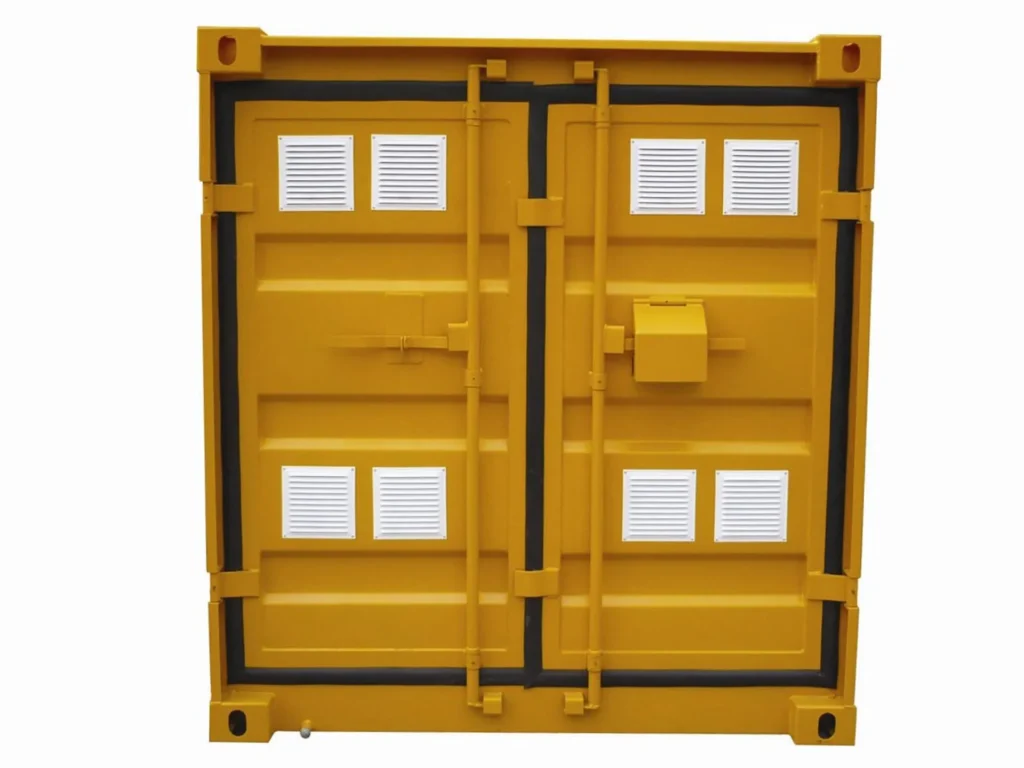
10′ hazardous waste container
In stock
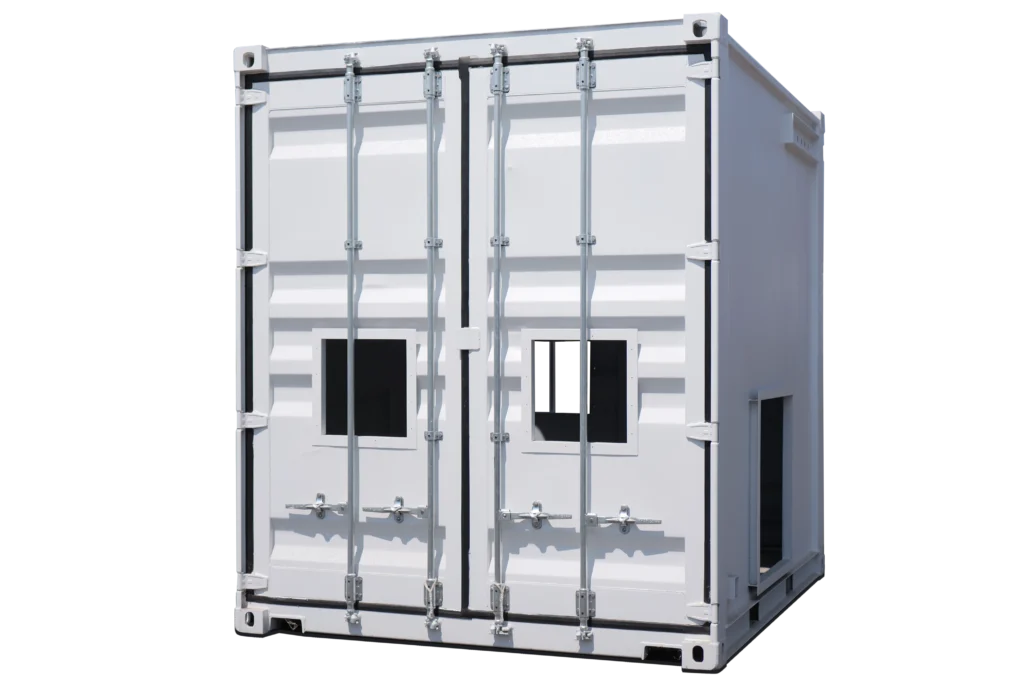
10ft Machinery Enclosure Container
In stock

2 Axle Tractor Drawbar Towing Hydraulic Trailer
In stock

20′ Double Door Container (Dd)
In stock
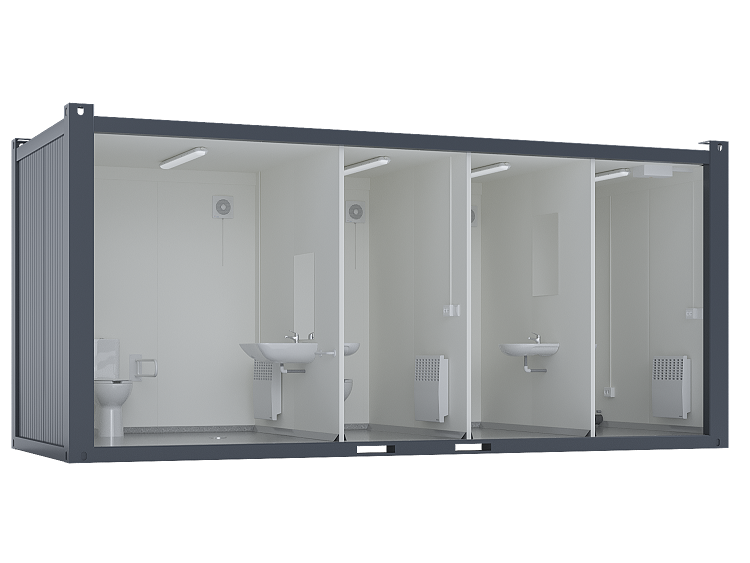
20′ Toilet Container, Three Standard And One Barrier-free Toilet, Premium
In stock

2025 Anvil 7×16 Enclosed Trailer For Sale W/ 84″ Interior Height
In stock
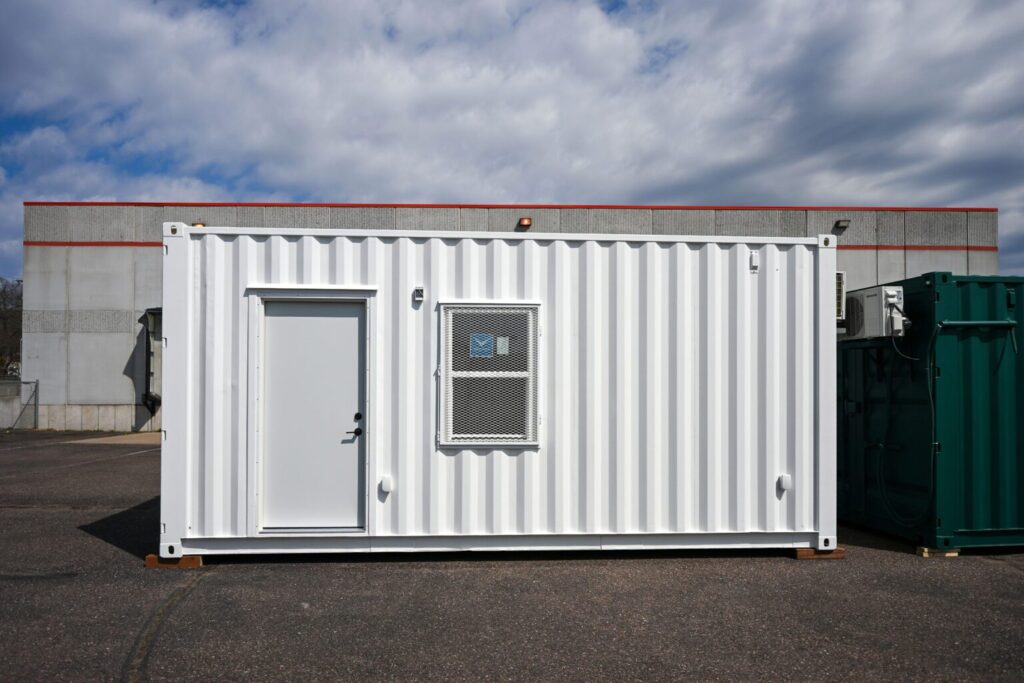
20ft Construction Office
In stock
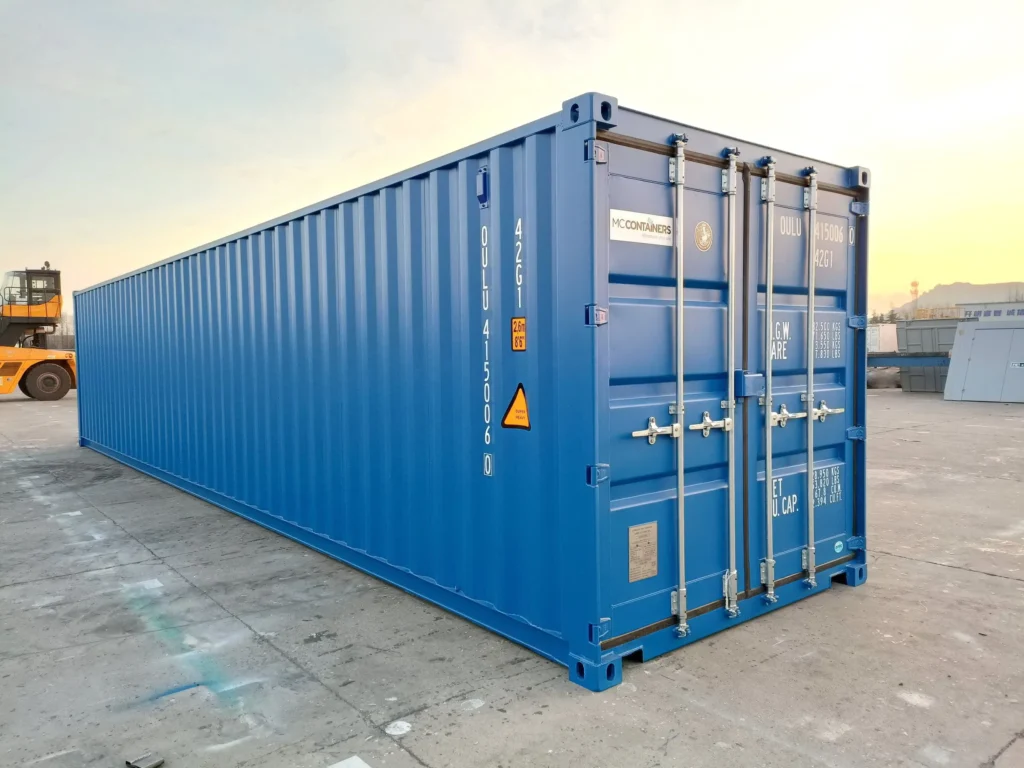
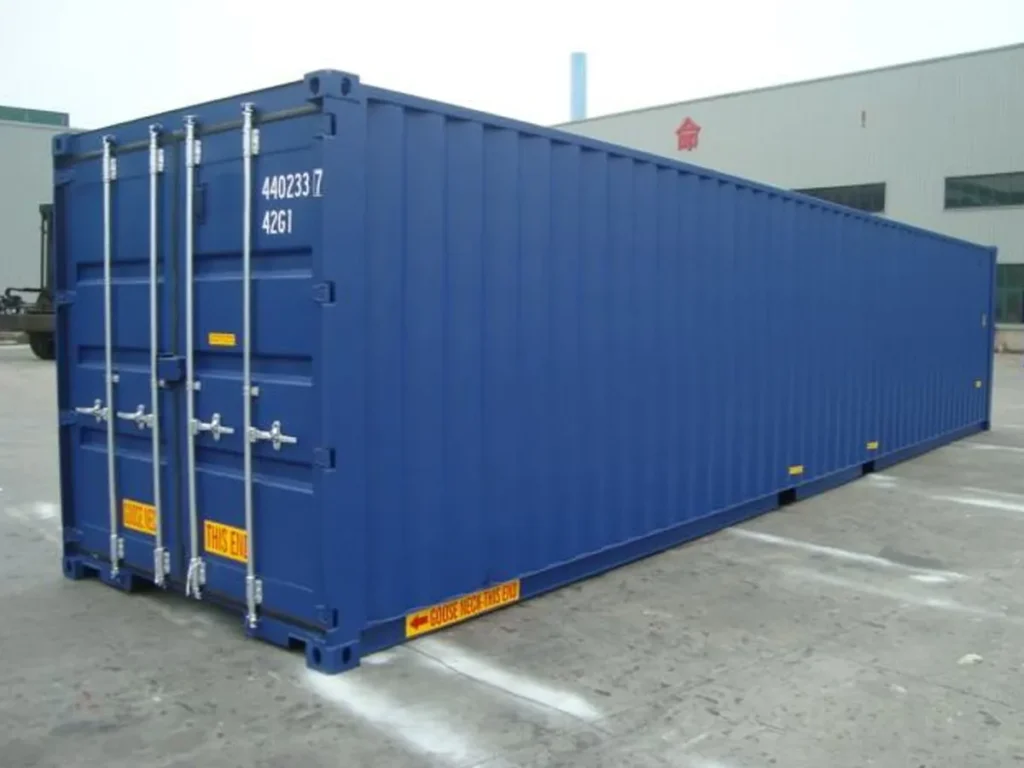
40′ Double Door Container (Dd)
In stock
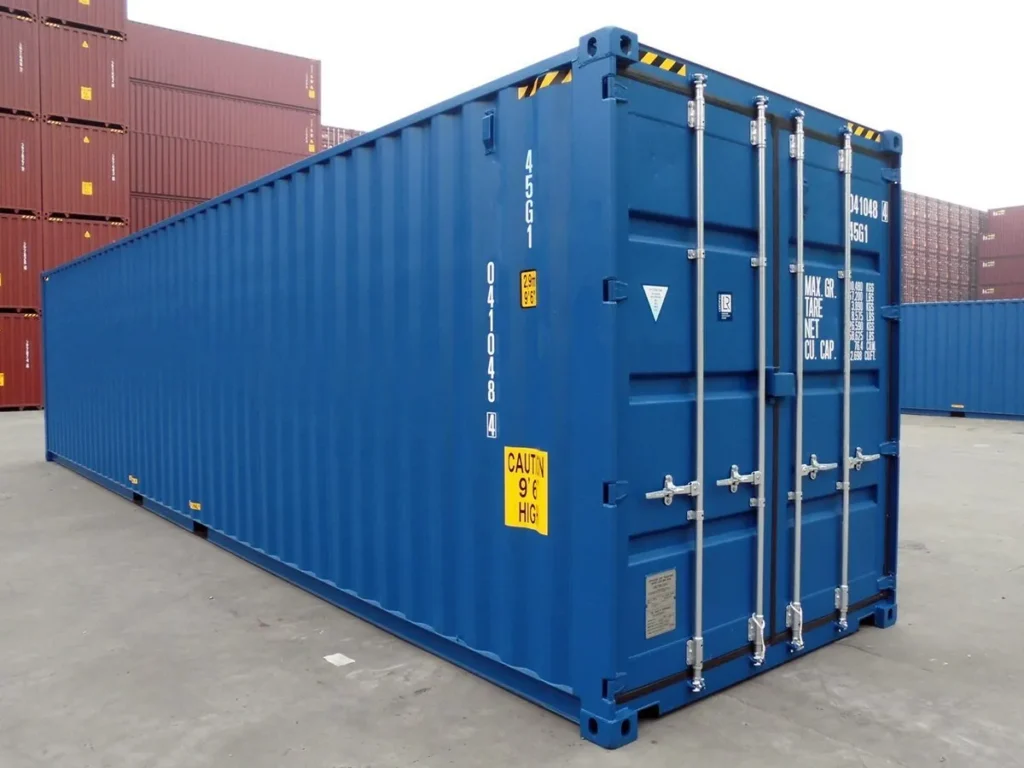
40′ High Cube (Hc) Container
In stock
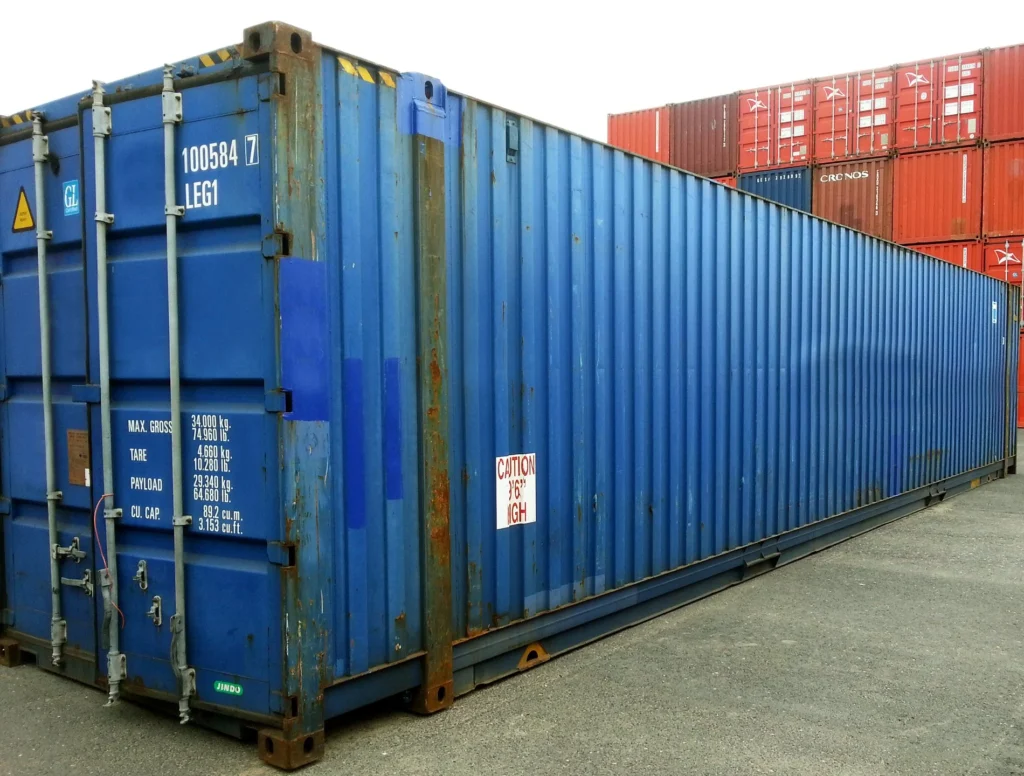

45ft Conjoined Shipping Container
In stock
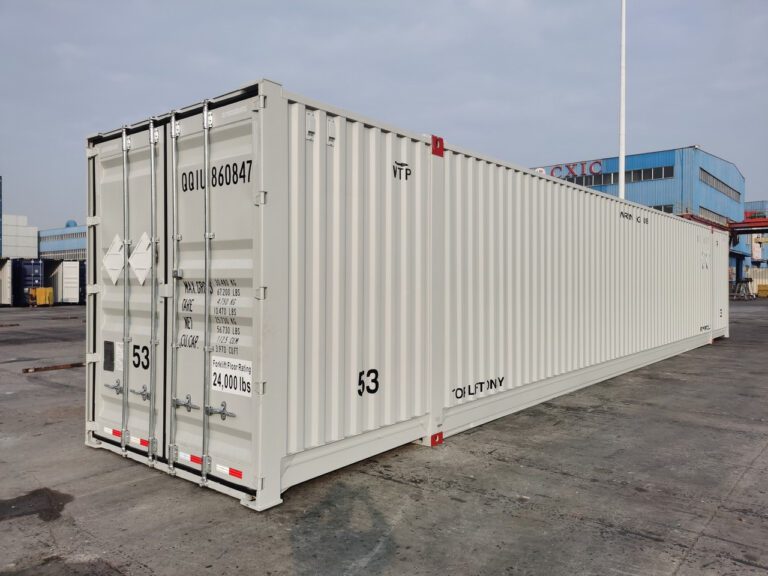
53ft High Cube New Shipping Container
In stock
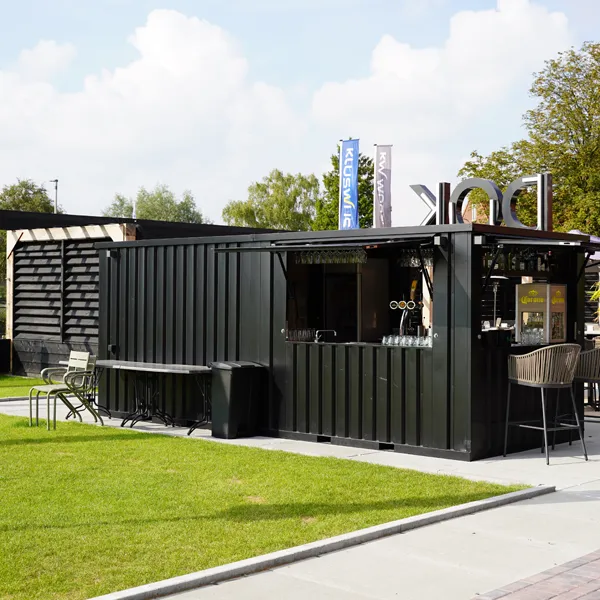
6×2 XL Shipping Container Bar – Perfect for Mobile Businesses, Outdoor Bars
In stock
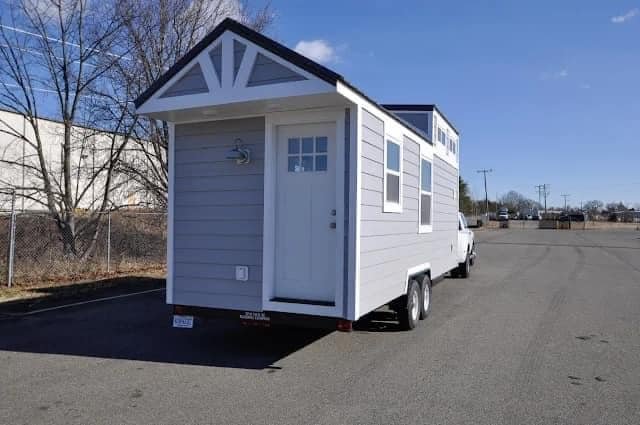
Affordable Container Home
In stock

Affordable Container Homes
In stock
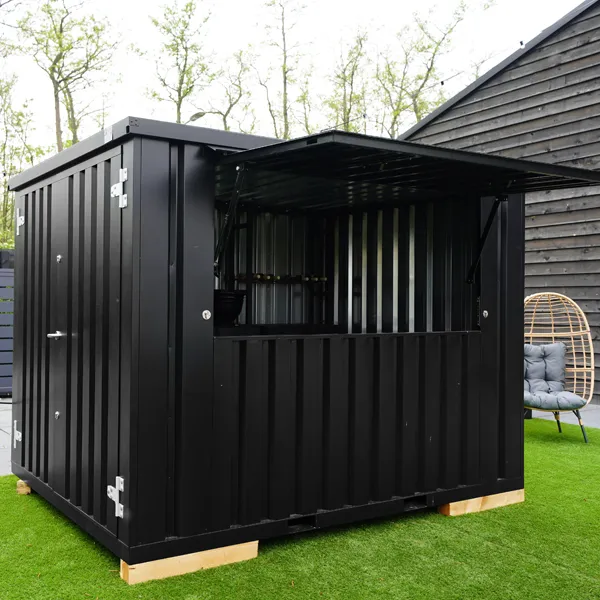
Black Shipping Container Bar 3×2 Meters – Demountable, Folding Canopy
In stock
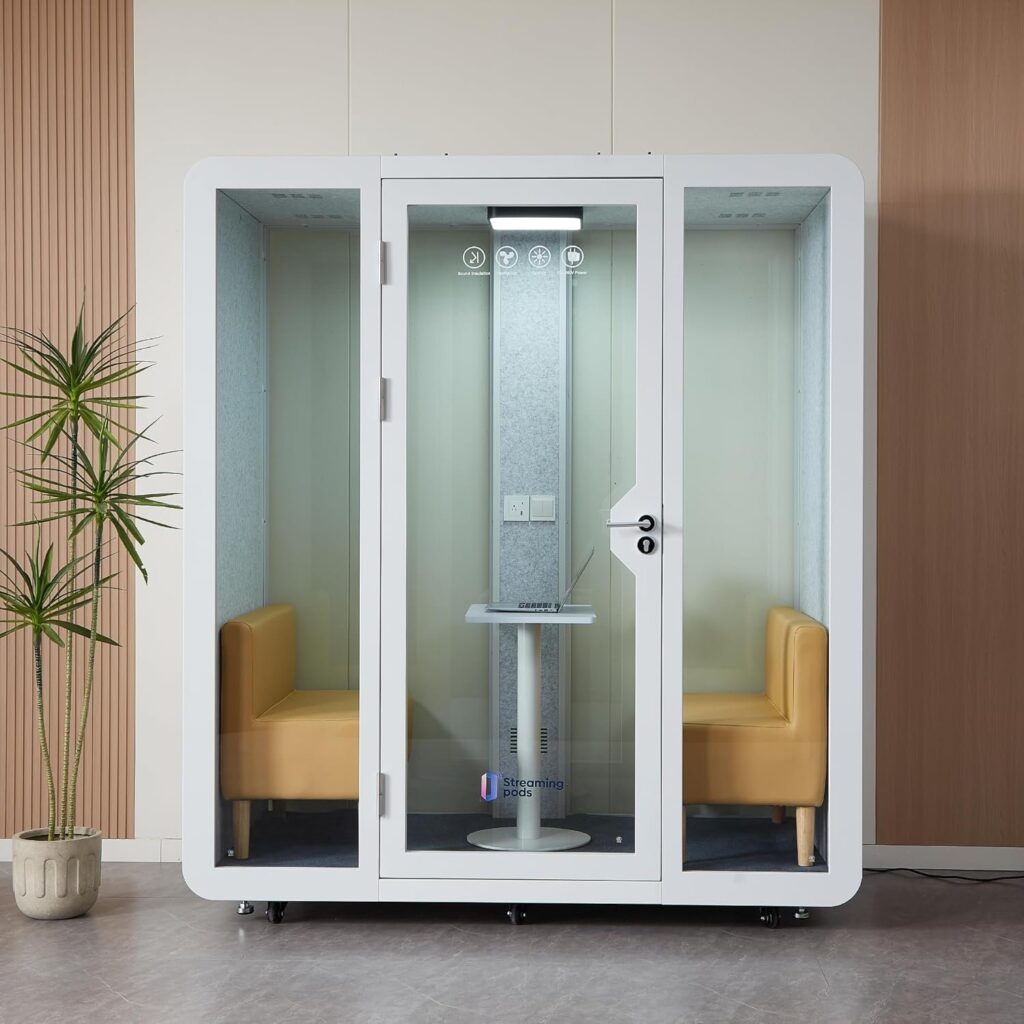
GEARONIC Mobile Office Pod Booth, Standard Sound Proof Office Pod for 2 People, Sound Pod Booth with Mobile Roller, LED Lighting System,Fans and AC USB Ports
In stock

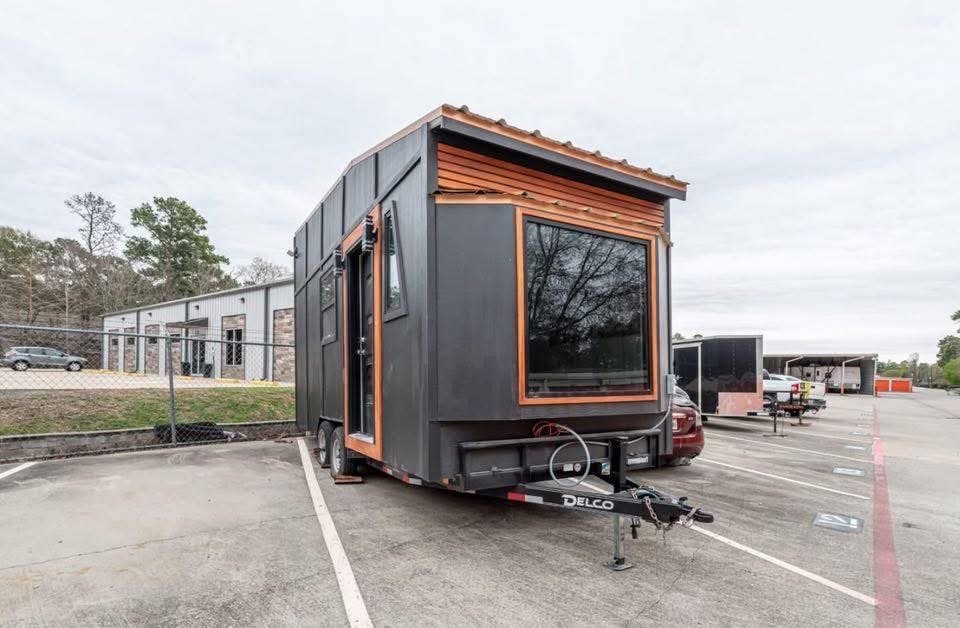
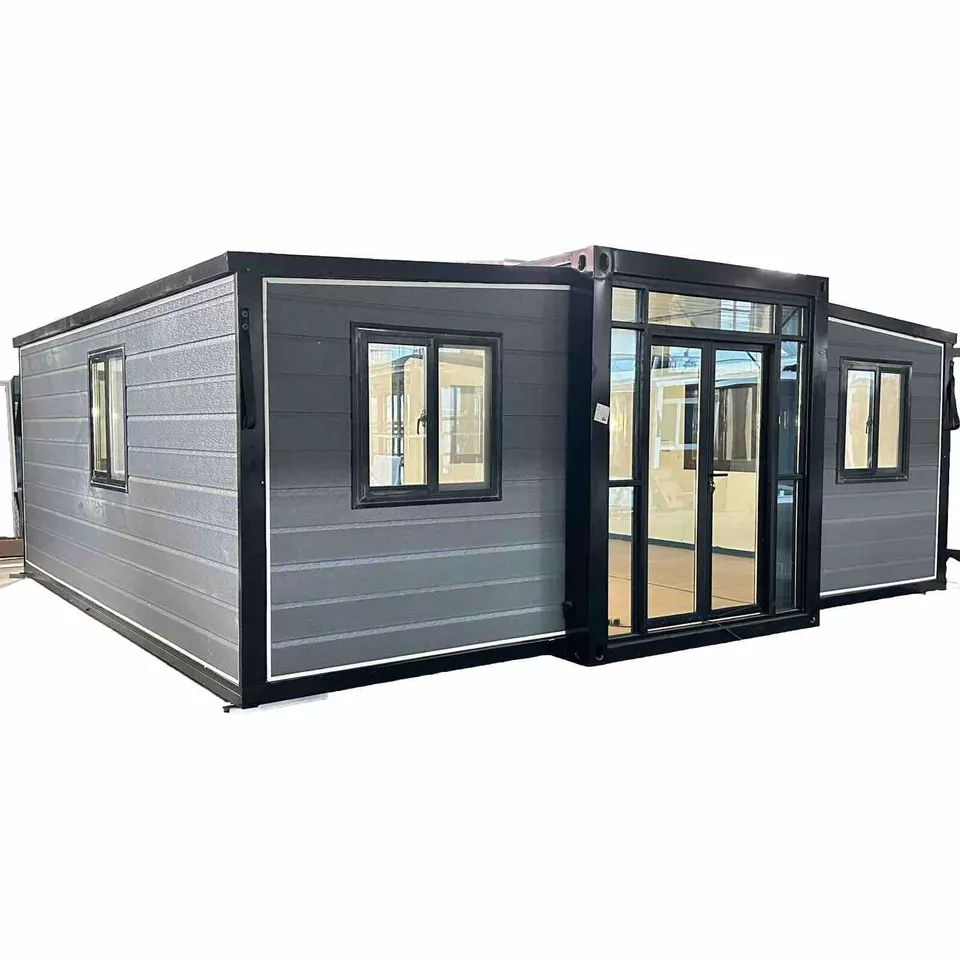
Transportable 2 Bed 1 Bath Expandable Home
In stock


Ryker (verified owner) –
High quality shipping containers great condition exactly as described process.
Mateo (verified owner) –
Aultra Containers delivered quality containers fast reliable service highly recommended.
Paul (verified owner) –
Reliable company quality containers competitive pricing and dependable delivery service.
Isaac (verified owner) –
Top notch containers sturdy clean secure and delivered on schedule.
Kai (verified owner) –
Outstanding experience with Aultra Containers professional team pricing timely delivery.
Samuel (verified owner) –
Top notch containers sturdy clean secure and delivered on schedule.