



Fast Shipping
Carrier information

20k products
Payment methods

24/7 Support
Unlimited help desk

5-Years Warranty
Container warranty
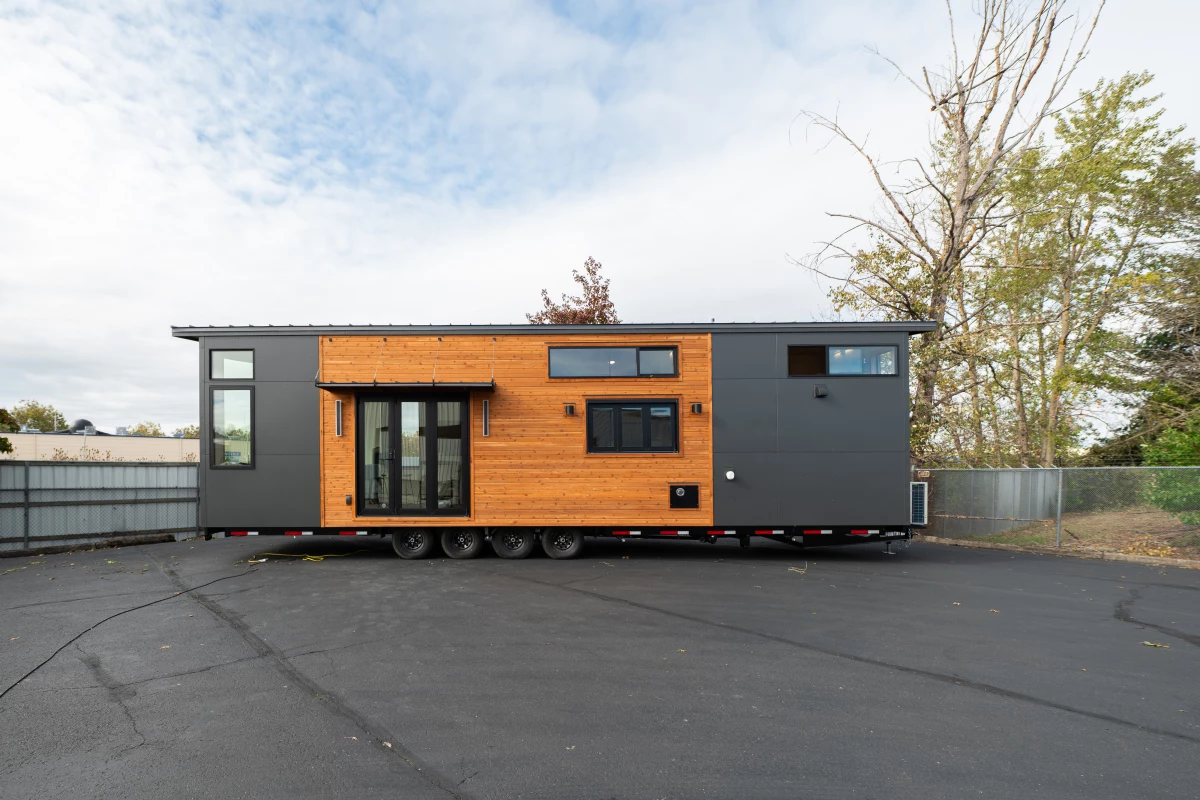
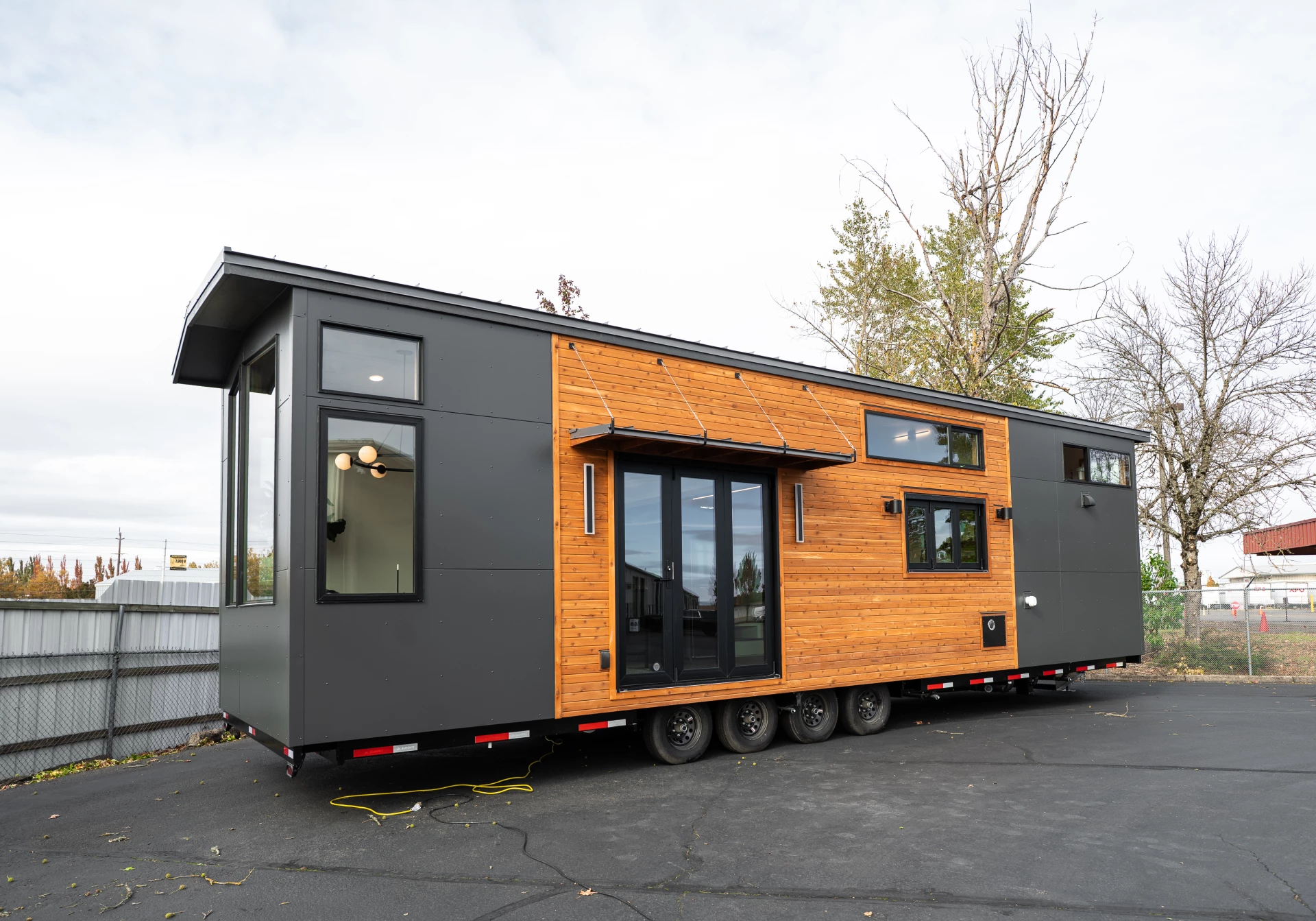
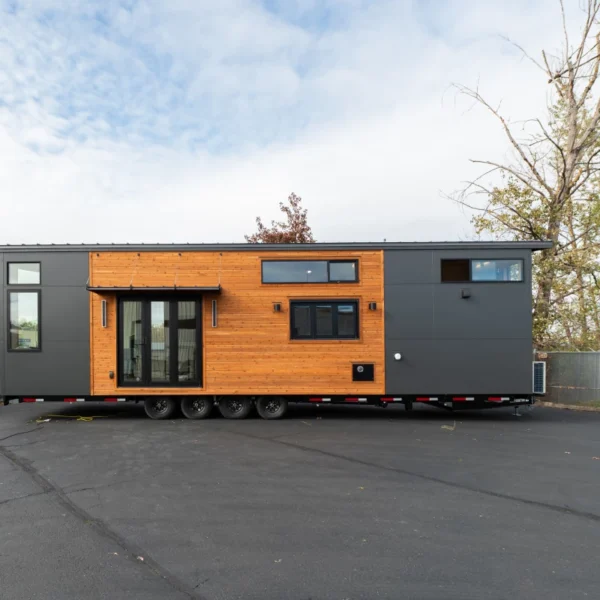
Cold Climate Tiny House – Energy-Efficient, Comfortable & Built for Winter Living
Unlike conventional tiny homes designed primarily for mild climates, cold climate tiny house require careful attention to thermal performance. From insulated walls and roofs to energy-efficient windows and reliable heating systems, every component plays an important role in maintaining a comfortable indoor environment when outdoor temperatures drop.
Whether you’re searching for a winter-ready tiny house, a compact vacation home, an accessory dwelling unit, a backyard guest house, or a full-time residence, a properly designed cold-climate tiny home can provide an attractive combination of functionality, efficiency, and modern comfort.
What Is a Cold Climate Tiny House?
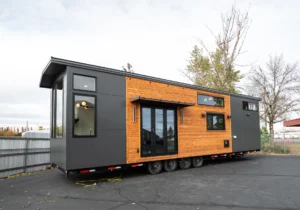
A cold climate tiny house is a compact residential structure specifically designed or adapted for regions that experience cold temperatures, snow, freezing conditions, and significant seasonal temperature changes.
The primary objective is to reduce unwanted heat loss while maintaining healthy indoor air quality and comfortable temperatures. This typically involves a combination of:
- High-performance insulation
- Energy-efficient windows and doors
- Proper air sealing
- Weather-resistant exterior materials
- Efficient heating systems
- Appropriate ventilation
- Well-designed roof and drainage systems
- Proper moisture management
- Cold-weather plumbing considerations
The exact specifications required depend on the local climate, building regulations, foundation type, and intended year-round use.
Why Choose a Cold Climate Tiny House?
A professionally designed winter-ready tiny home can provide many benefits for homeowners who want to live comfortably while using less space.
Designed for Winter Comfort
A cold-weather tiny house should be designed to minimize drafts and heat loss. Proper insulation and air sealing can help maintain more consistent interior temperatures.
Energy Efficiency
The smaller footprint of a tiny home means there is less space to heat compared with a conventional house. Combined with efficient insulation, windows, heating, and appliances, this can contribute to lower energy consumption.
Actual energy savings depend on climate, construction quality, occupancy, heating system, utility rates, and lifestyle.
Compact & Functional
Tiny homes prioritize efficient use of space. Carefully planned kitchens, bathrooms, sleeping areas, storage, and living spaces can make a compact home feel comfortable without unnecessary square footage.
Lower Maintenance
A smaller building can require less time and material to maintain than a larger conventional property, although winter climates require special attention to snow, moisture, roofing, plumbing, and exterior systems.
Essential Features of a Cold Climate Tiny House
High-Quality Insulation
Insulation is one of the most important components of a winter-ready tiny house. Properly installed insulation in walls, floors, ceilings, and roof assemblies helps slow heat transfer between the interior and exterior.
The appropriate insulation level depends on the local climate zone and applicable building requirements.
Energy-Efficient Windows
High-performance windows can help reduce heat loss while allowing natural light into the home. Double- or triple-glazed windows may be appropriate for colder climates depending on the design and local requirements.
Low-emissivity glazing and properly sealed frames can further improve thermal performance.
Insulated Doors
Exterior doors should be appropriately insulated and weather-sealed to reduce drafts and unwanted heat loss.
Air Sealing
Insulation alone is not enough. Gaps and air leaks around windows, doors, electrical penetrations, plumbing, and building joints can significantly affect thermal performance.
Professional air sealing can help create a tighter building envelope.
Efficient Heating System
A reliable heating system is essential for cold-weather living. Depending on the home design and local conditions, options may include:
- Mini-split heat pumps
- Electric heating systems
- Hydronic heating
- Wood-burning heating systems where permitted
- Other appropriately sized heating solutions
Heating equipment should be professionally selected and installed according to local codes and manufacturer requirements.
Proper Ventilation
A tightly sealed home still needs adequate ventilation. Proper ventilation helps manage indoor humidity, condensation, odors, and air quality.
Depending on the design, mechanical ventilation or a heat-recovery ventilation system may be considered for cold climates.
Cold Climate Tiny House Insulation
Insulation should be considered throughout the entire building envelope.
Wall Insulation
Well-insulated exterior walls help reduce heat transfer and improve indoor comfort.
Roof & Ceiling Insulation
Because warm air rises, the roof and ceiling assembly deserve particular attention. Proper insulation and air sealing can help prevent heat loss through the upper portion of the home.
Floor Insulation
Floor insulation is especially important when the tiny house is elevated above the ground or installed on a foundation exposed to cold outdoor temperatures.
Moisture Control
Cold climates can create condensation risks when warm, humid indoor air encounters cold building surfaces. Proper vapor control, ventilation, insulation, and air sealing should be designed as an integrated system.
Cold Weather Plumbing Considerations
Plumbing is an important consideration for any tiny home intended for freezing climates.
Potential solutions may include:
- Insulated plumbing lines
- Properly protected water connections
- Heated or conditioned utility areas
- Freeze protection systems
- Appropriate pipe routing
- Insulated tanks where applicable
- Winterization procedures
Plumbing design should be adapted to the local climate and whether the home will remain occupied throughout winter.
Snow & Roof Design
A cold climate tiny house should have a roof system appropriate for the expected weather conditions.
Important considerations include:
- Local snow loads
- Roof pitch
- Structural capacity
- Snow accumulation
- Drainage
- Ice and water protection
- Gutter design
- Roof ventilation where required
Because snow loads vary substantially by location, the roof structure should be designed to meet applicable local building requirements.
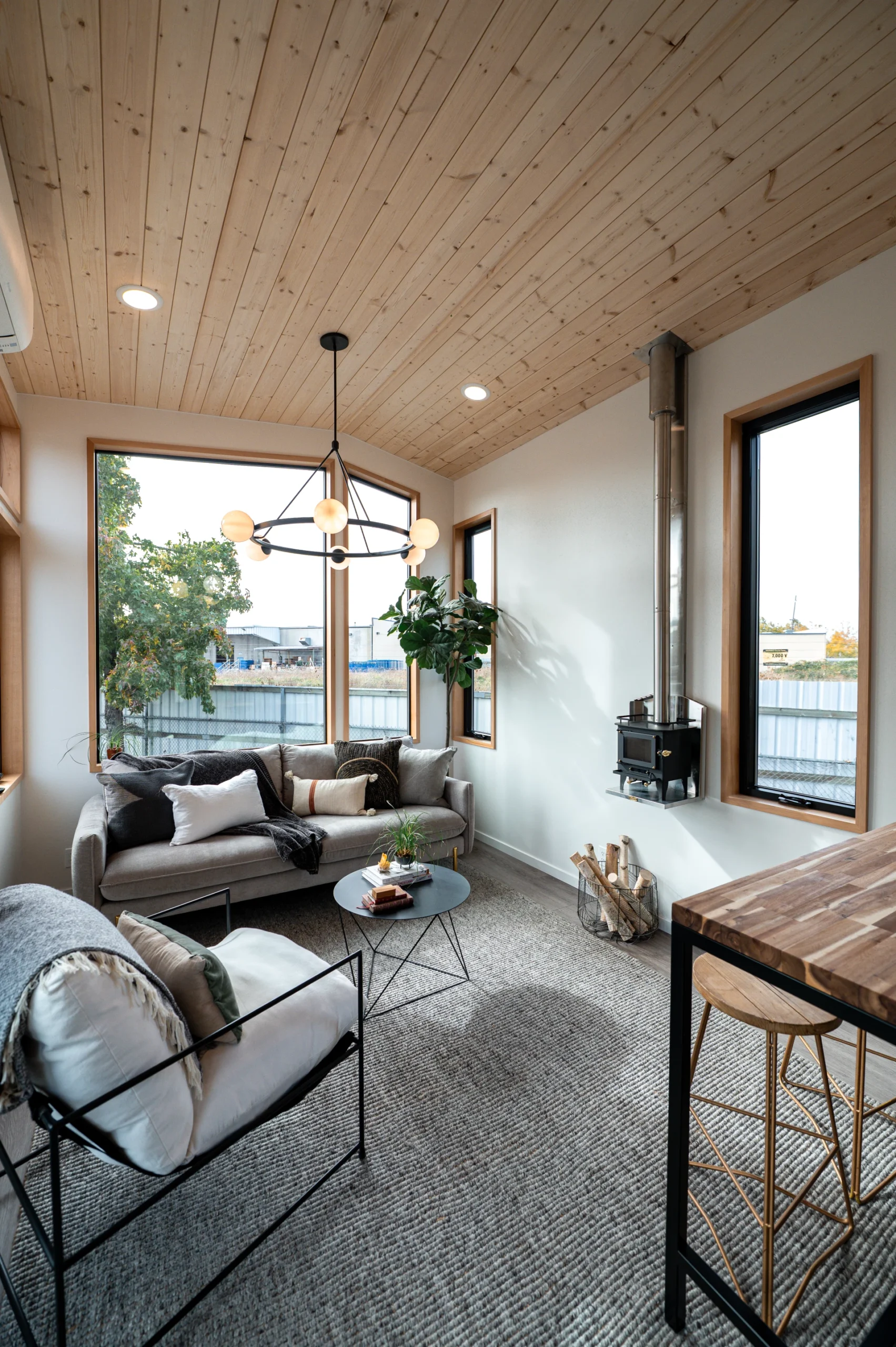
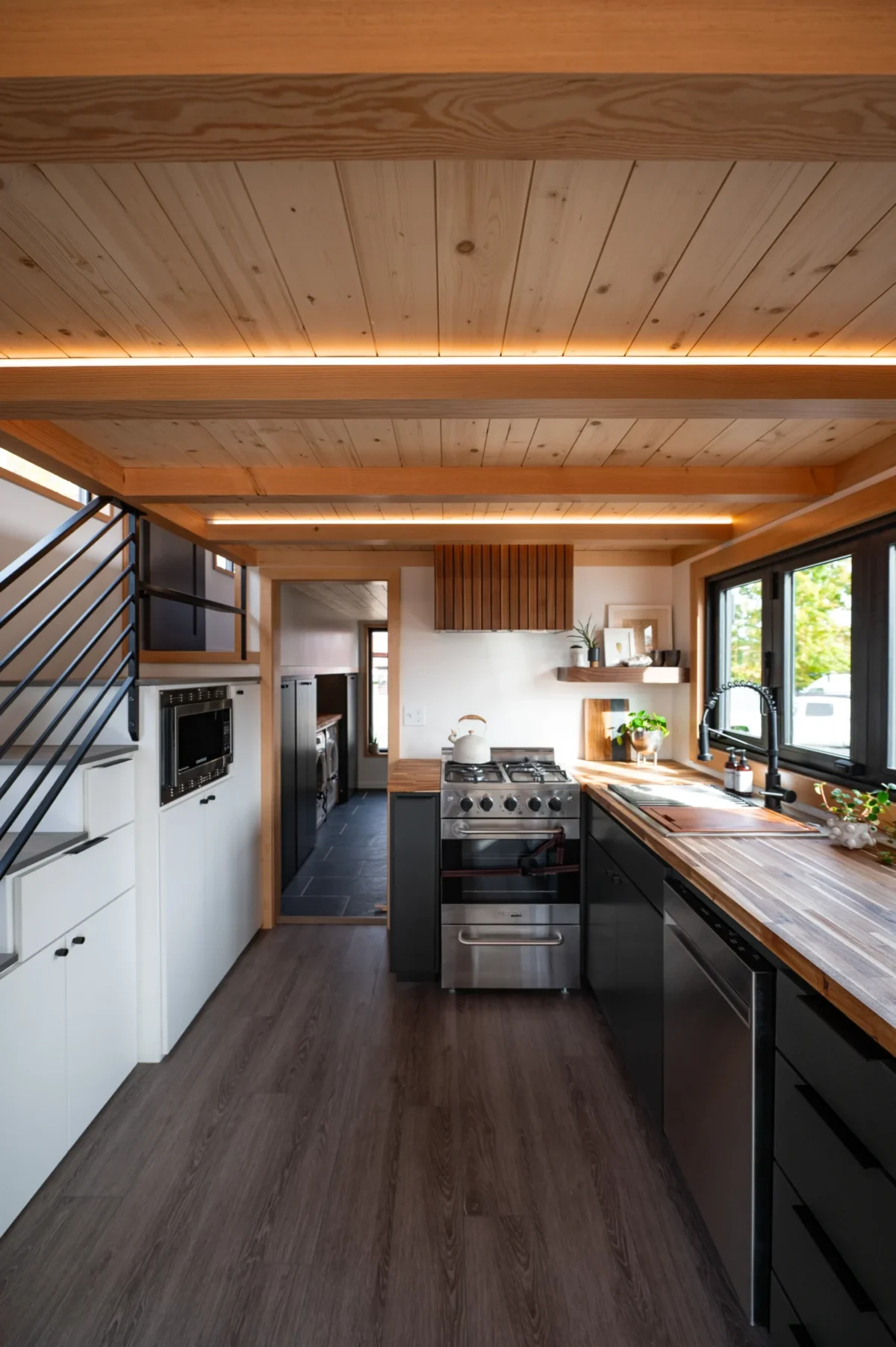
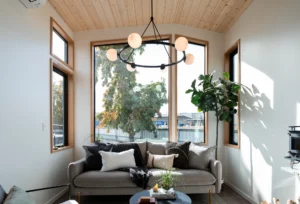
Cold Climate Tiny House Interior
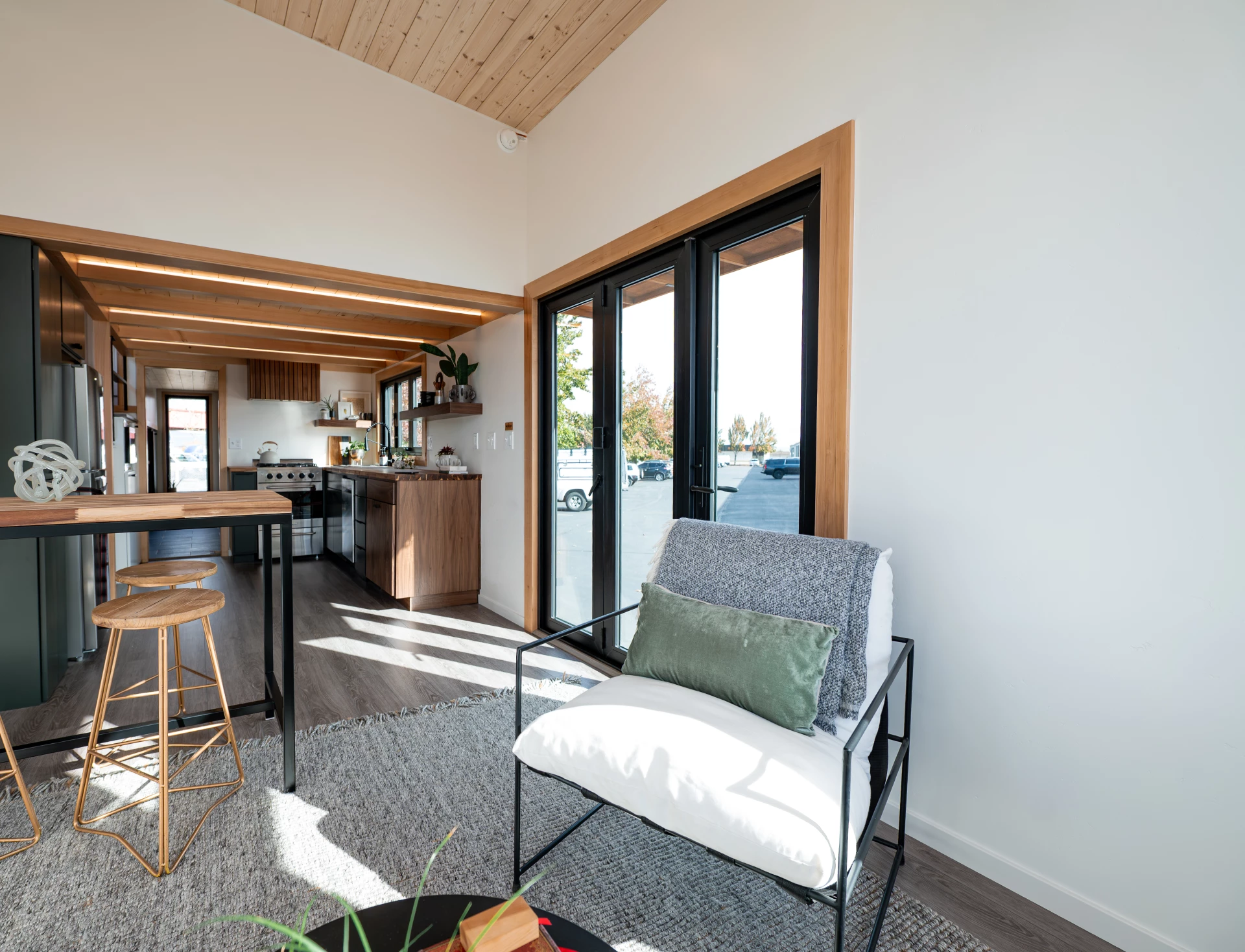
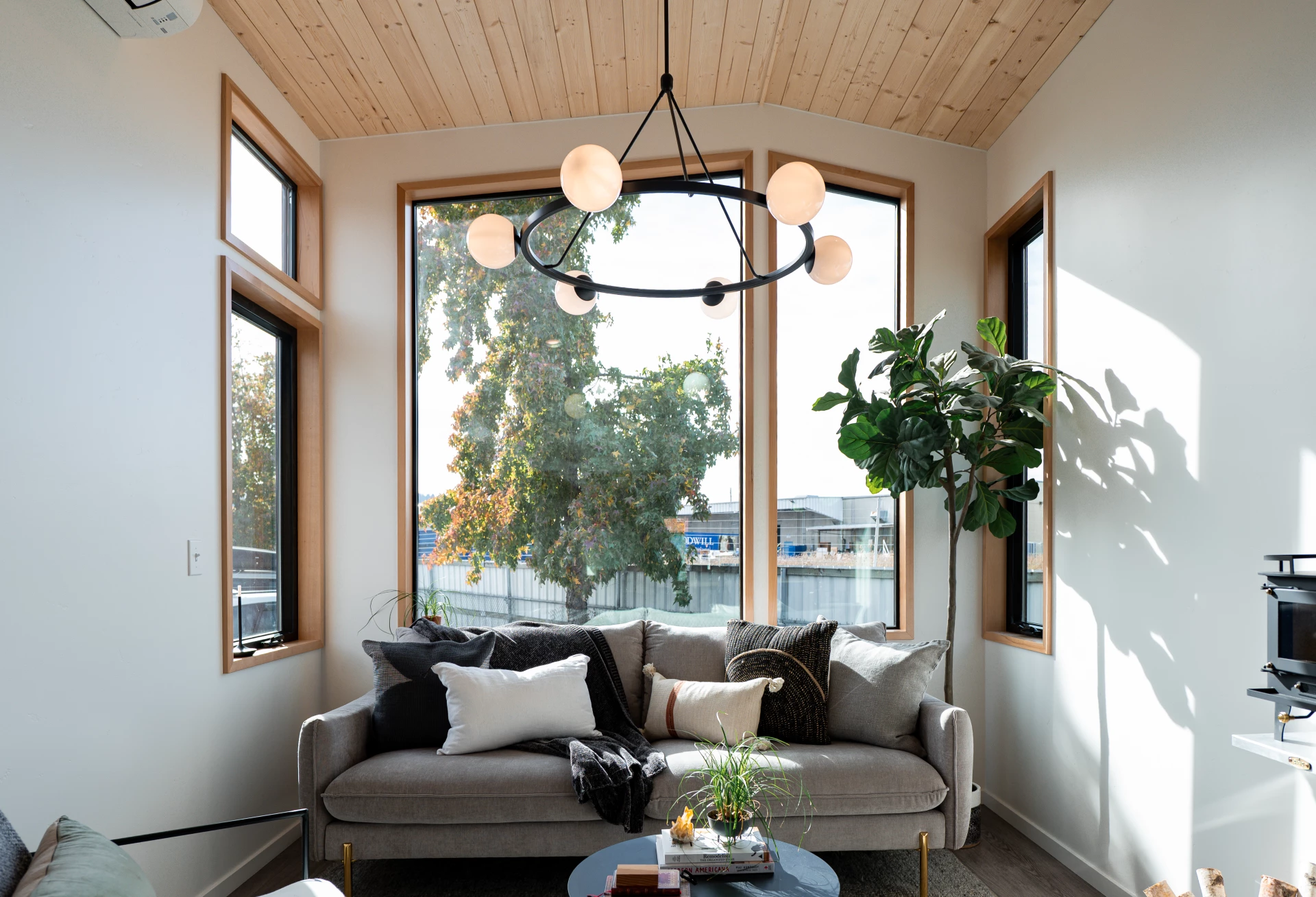
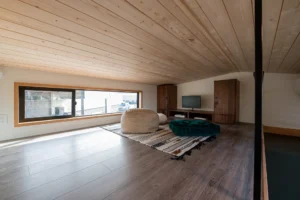
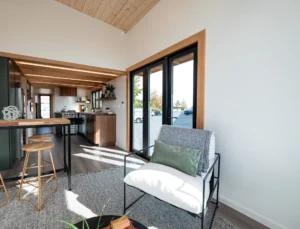
Small spaces do not have to feel cramped. A carefully designed interior can combine comfort and functionality.
Popular interior features include:
- Compact kitchens
- Full bathrooms
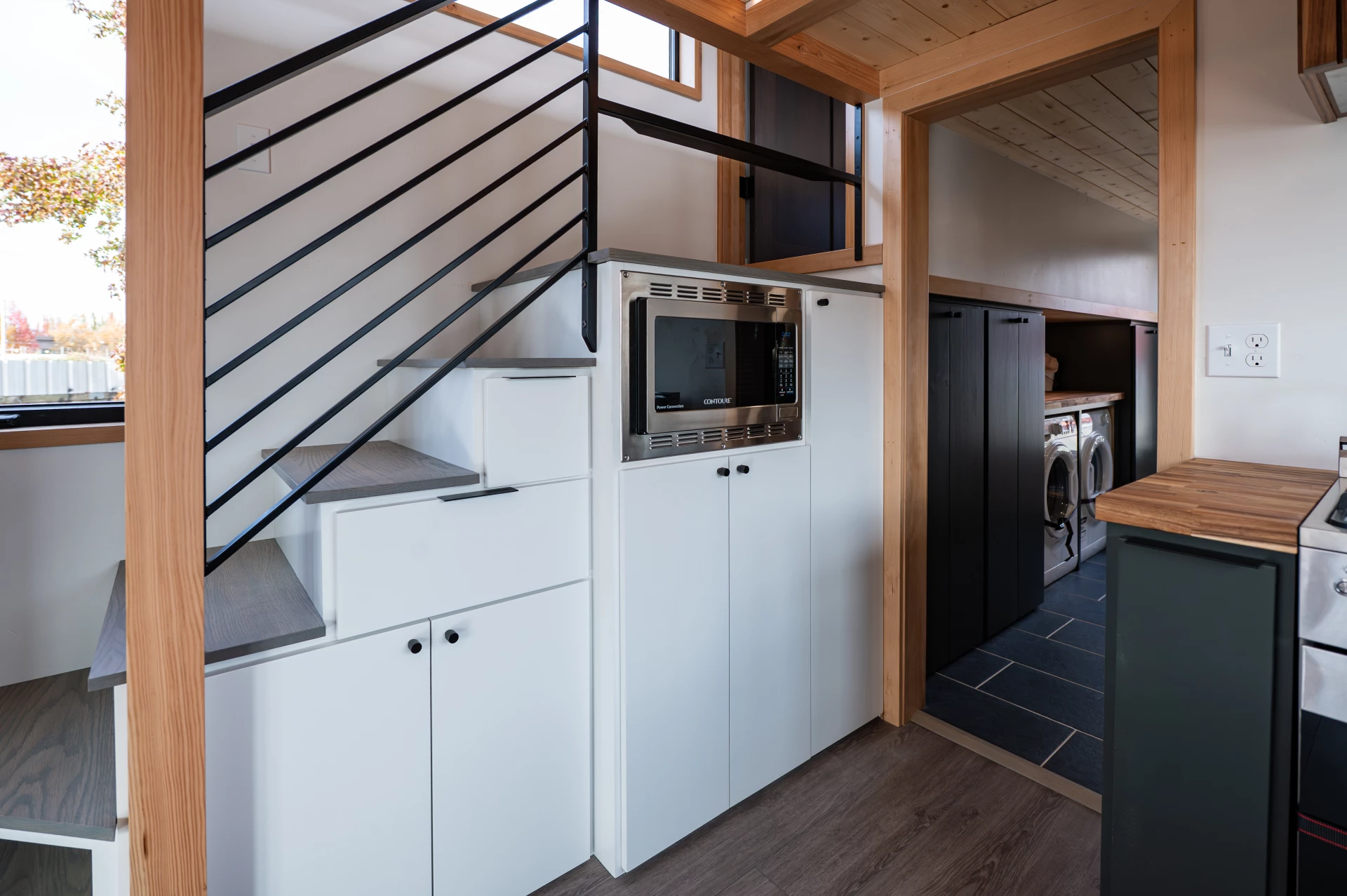
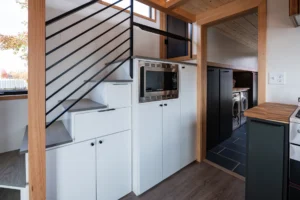
- Built-in storage
- Multi-purpose furniture
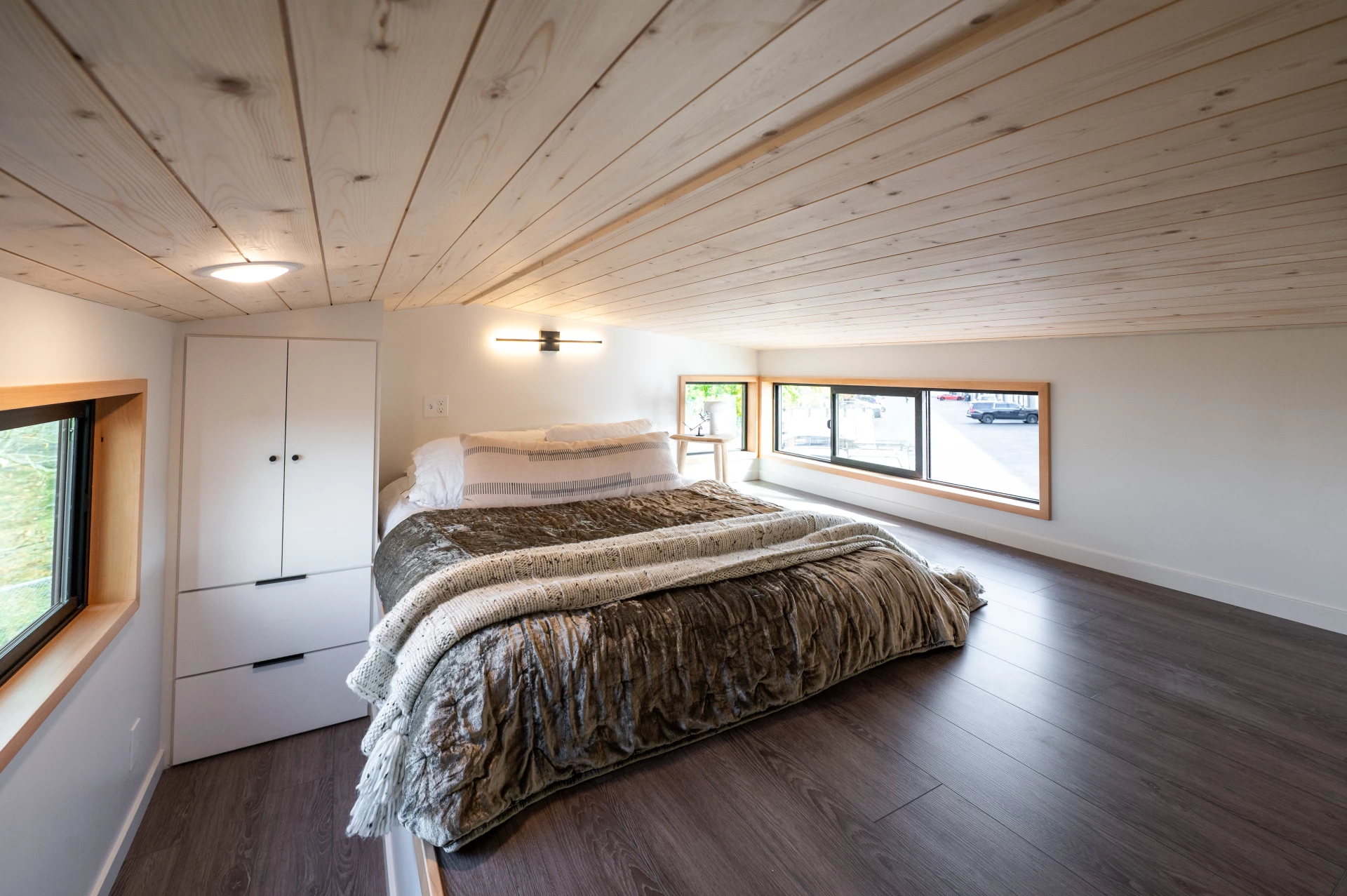
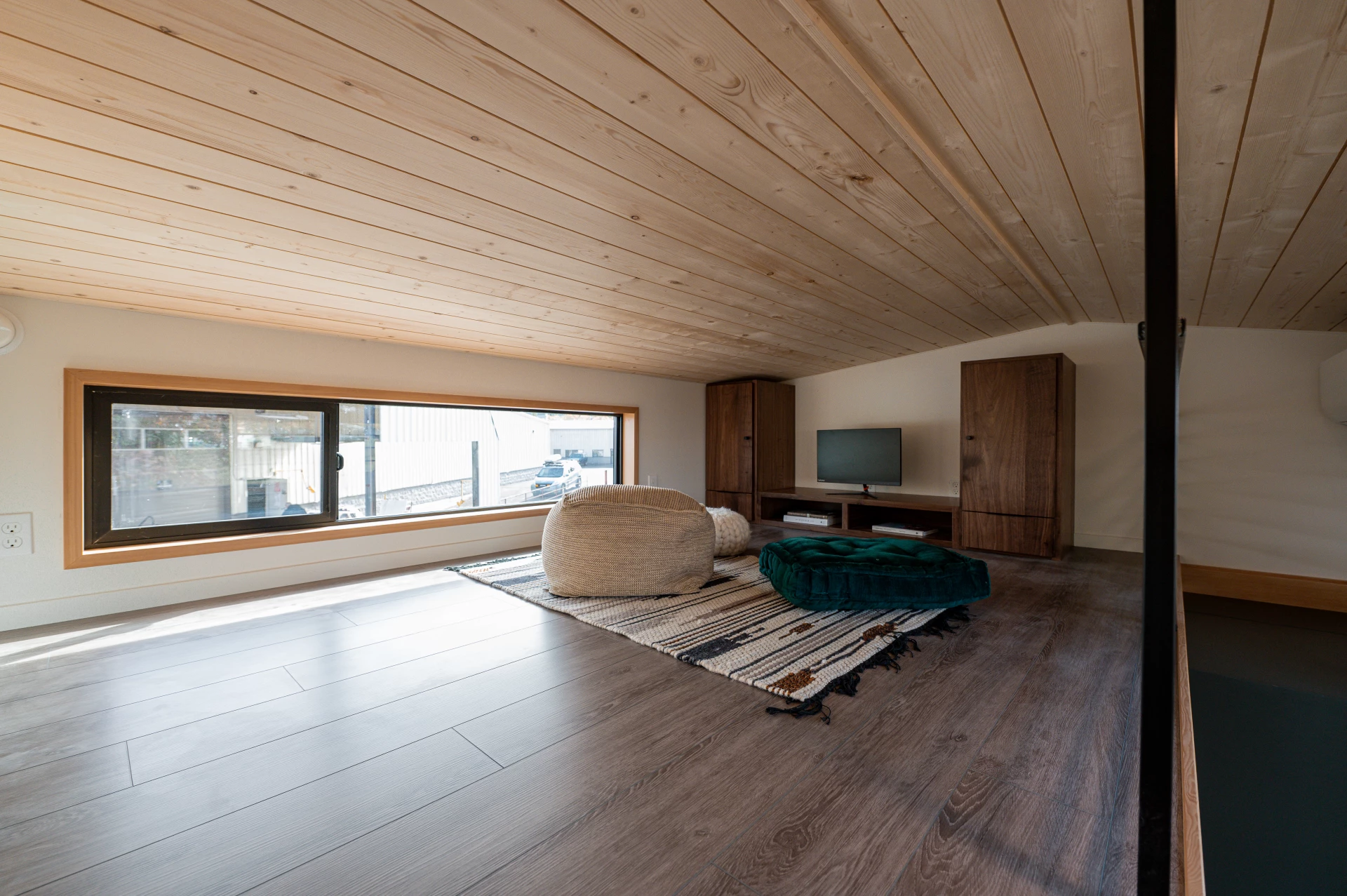
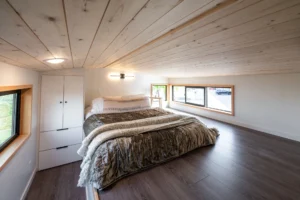
- Loft sleeping areas
- Comfortable living spaces
- Large energy-efficient windows
- Modern lighting
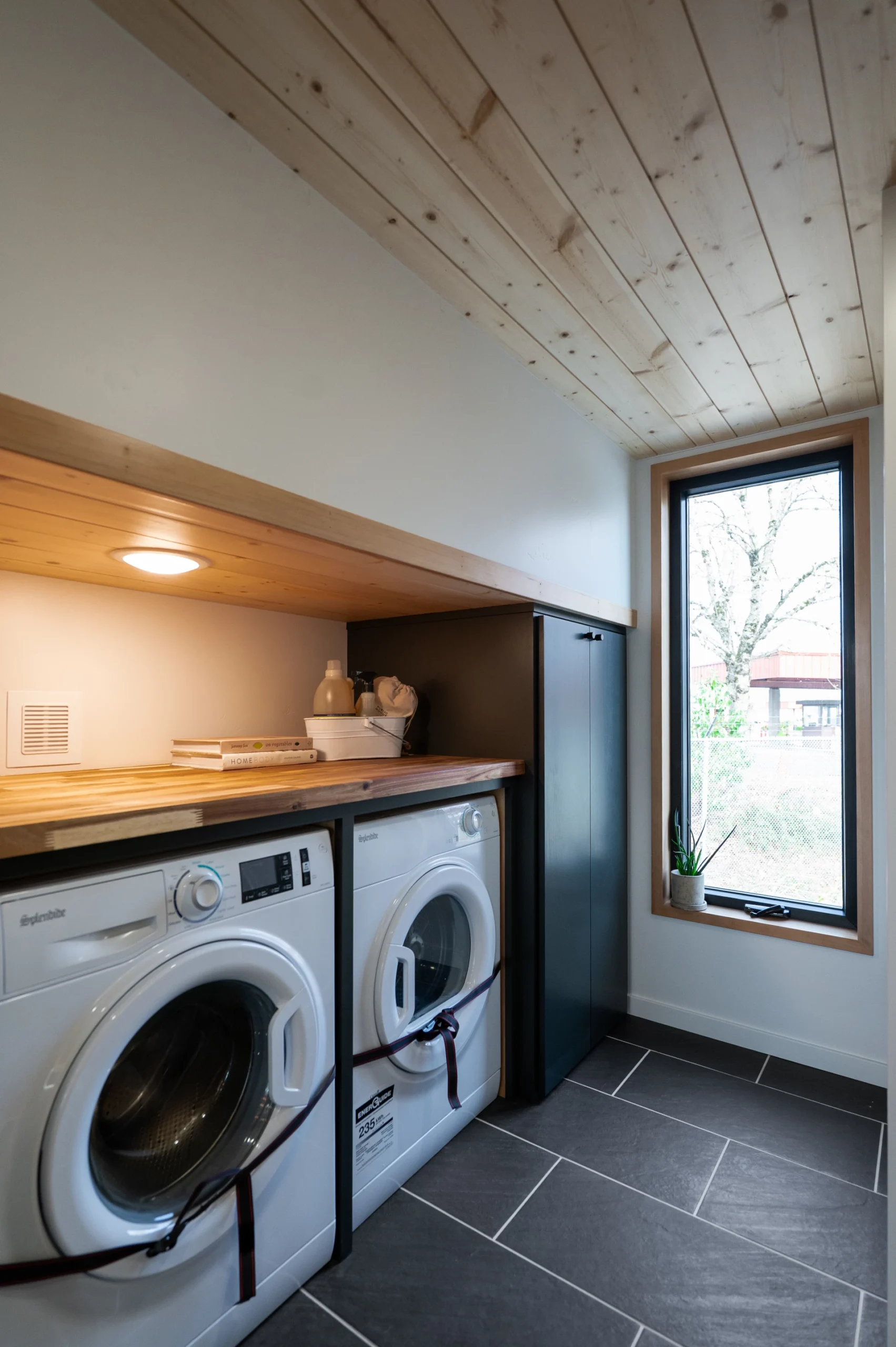
- Efficient appliances
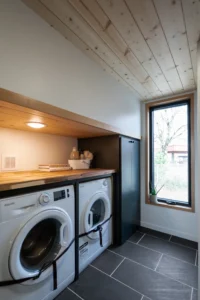
- Dedicated utility areas
Light-colored finishes, thoughtful lighting, and strategically positioned windows can also help make a small interior feel more open.
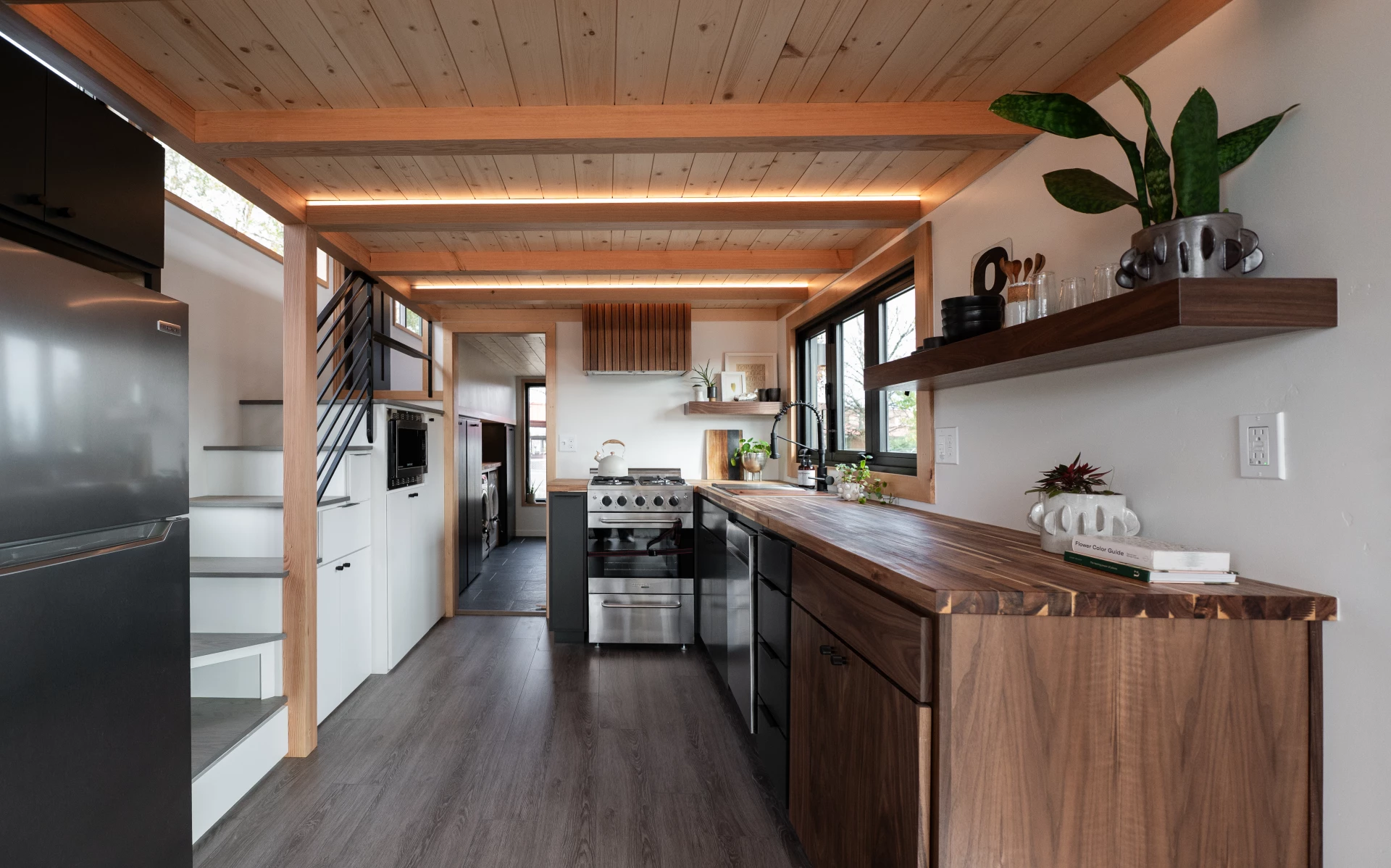
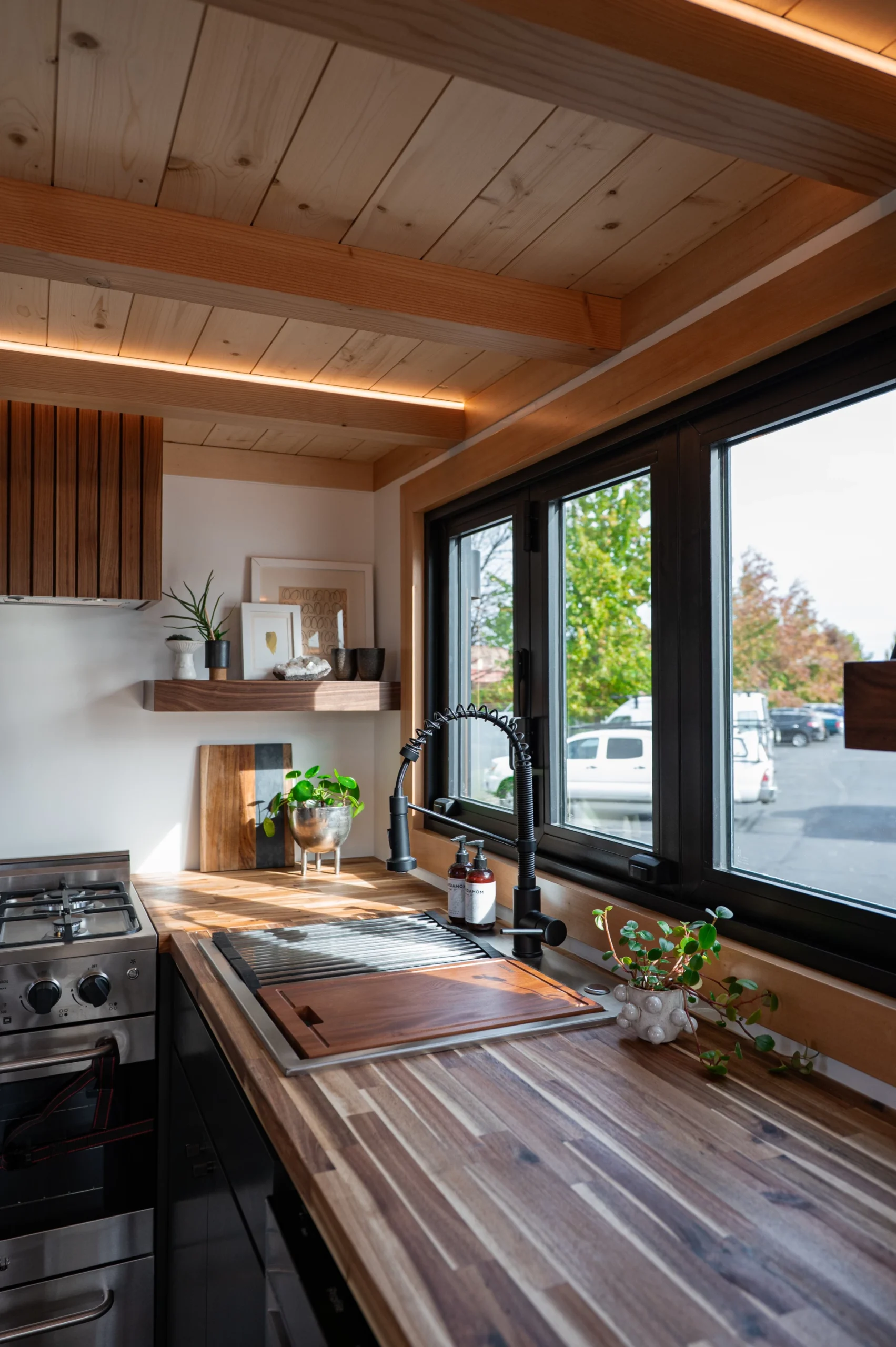
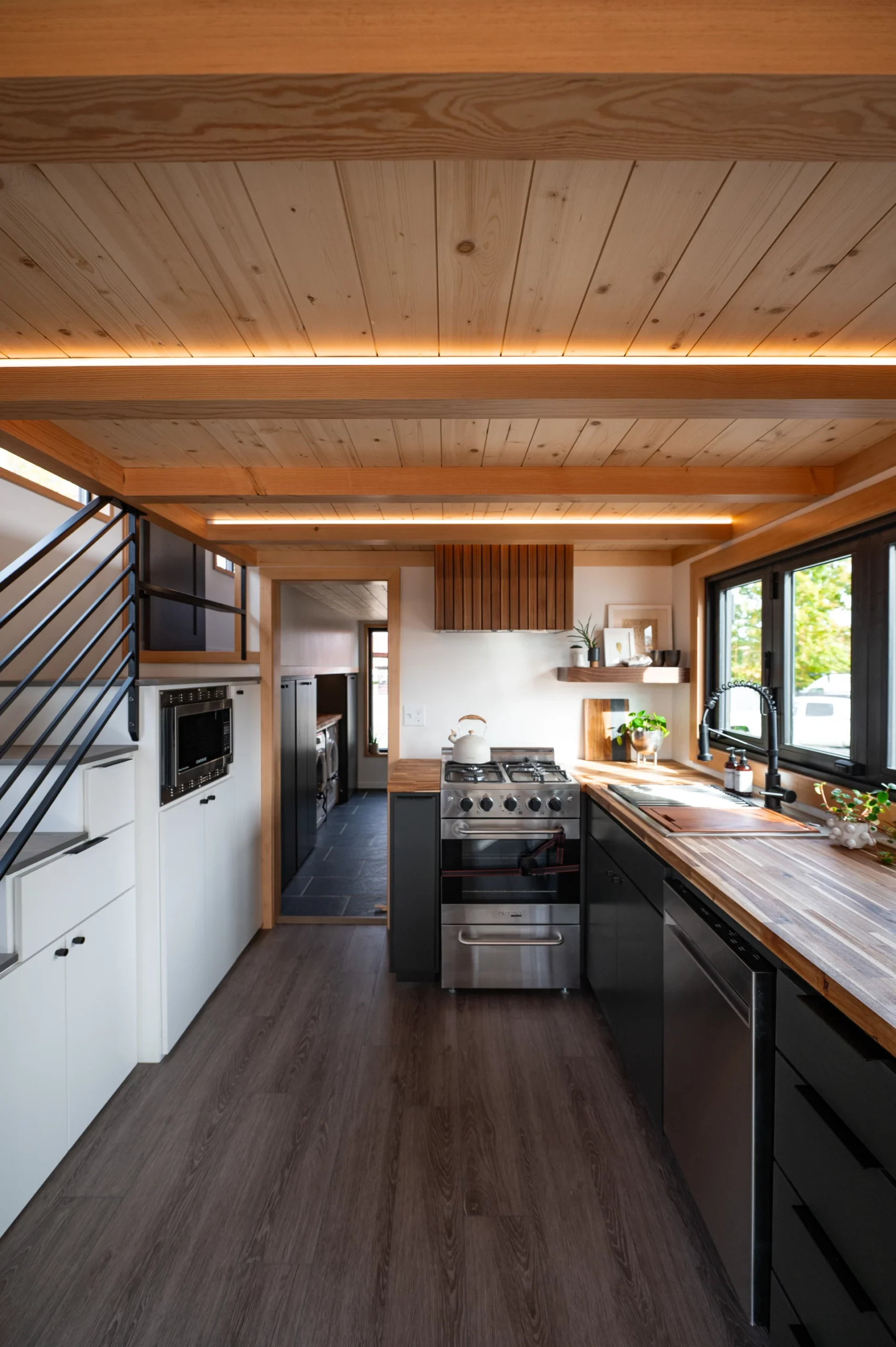
Cold Climate Tiny House Kitchen
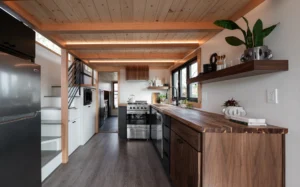
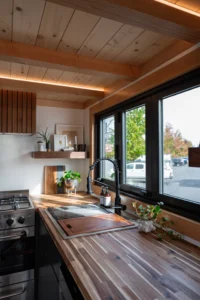
A compact kitchen can include many of the features found in a conventional home, including:
- Refrigerator
- Cooktop
- Oven or compact cooking appliance
- Sink
- Cabinets
- Countertop workspace
- Storage drawers
- Open shelving
The final kitchen configuration depends on the tiny house floor plan and available utilities.
Cold Climate Tiny House Bathroom
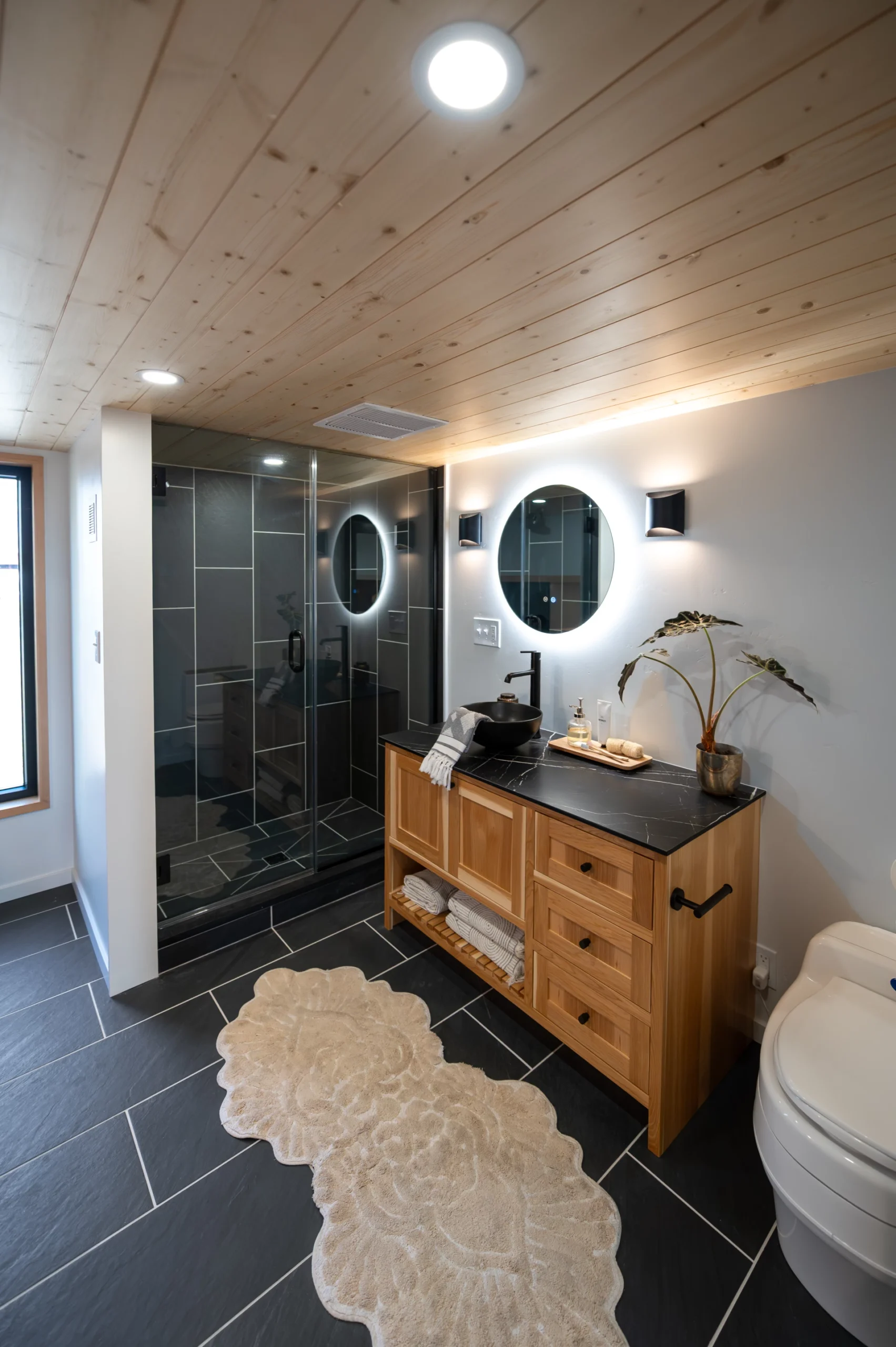
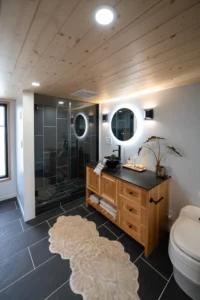
A winter-ready tiny house can incorporate a comfortable bathroom with features such as:
- Shower
- Toilet
- Vanity
- Sink
- Storage
- Ventilation
- Water-heating system
In freezing climates, the plumbing and water supply systems require particular attention to prevent freezing and moisture-related problems.
Tiny House Heating & Energy Options
Heat Pumps
Modern heat pumps can provide efficient heating and cooling. Cold-climate models are specifically designed to operate at lower outdoor temperatures.
Electric Heating
Electric heaters can offer straightforward installation and reliable supplemental heat, although operating costs depend on electricity rates and insulation performance.
Wood Heating
Wood-burning stoves may be suitable in some locations, but they require appropriate installation, ventilation, clearances, and compliance with local fire and building regulations.
Solar Power
Solar panels can be incorporated into some tiny-home designs to offset electricity consumption. However, solar performance depends on location, roof orientation, weather, available sunlight, battery capacity, and system size.
Where Can You Use a Cold Climate Tiny House?
Cold-weather tiny homes can be suitable for a variety of applications, subject to local zoning and building regulations:
- Full-time residential living
- Vacation homes
- Mountain retreats
- Backyard guest houses
- Hunting cabins
- Rural properties
- Rental accommodations
- Accessory dwelling units
- Remote workspaces
- Seasonal residences
Before purchasing or placing a tiny house, verify local zoning, building, utility, foundation, transportation, and occupancy requirements.
Advantages of a Winter-Ready Tiny Home
A properly designed cold climate tiny home can provide:
- Efficient use of space
- Reduced heating demand compared with larger buildings
- Comfortable winter living
- Modern interior amenities
- Flexible placement options
- Lower overall footprint
- Customizable layouts
- Potentially lower maintenance requirements
- Attractive alternative to traditional housing
What to Look for When Buying a Cold Climate Tiny House
Before purchasing, evaluate the home’s:
Insulation: Ask about insulation type, thickness, and thermal performance.
Windows: Confirm the glazing and frame specifications.
Air sealing: Ask whether the building envelope has been designed for cold-weather performance.
Heating: Verify the heating system’s capacity and suitability for the intended climate.
Ventilation: Ensure the home has an appropriate ventilation strategy.
Roof structure: Confirm that the roof is designed for local snow and weather loads.
Plumbing: Check how water and waste systems are protected against freezing.
Foundation: Confirm that the proposed foundation complies with local requirements.
Electrical system: Verify that electrical equipment and installation meet applicable standards.
Cold Climate Tiny House vs. Standard Tiny House
Not every tiny home is suitable for harsh winter conditions. A cold-climate model should place greater emphasis on thermal performance and weather protection.
| Feature | Cold Climate Tiny House | Standard Tiny House |
|---|---|---|
| Insulation | Designed for colder conditions | Varies |
| Windows | Often high-performance glazing | Varies |
| Heating | Cold-weather focused | Climate dependent |
| Air Sealing | Important | Important |
| Roof Design | Considers snow/weather loads | Climate dependent |
| Plumbing | Freeze protection may be required | Climate dependent |
| Ventilation | Important for moisture control | Important |
| Year-Round Winter Use | Designed for appropriate climates | Depends on construction |
Is a Cold Climate Tiny House Right for You?
A Cold Climate Tiny House can be an excellent option if you want a compact, efficient, and comfortable space for winter living. The key is choosing a home designed around the climate where it will be installed rather than simply selecting a small house and adding a heater.
For the best results, consider the complete building system—including insulation, windows, doors, air sealing, heating, ventilation, moisture management, plumbing, foundation, and roof structure.
Find Your Cold Climate Tiny House Today
Ready to explore a cold climate tiny house for sale? Browse our available tiny homes and discover compact designs created for comfortable living and efficient use of space.
Whether you’re searching for a winter-ready tiny home, insulated tiny house, cold-weather cabin, off-grid tiny home, prefab tiny house, or year-round tiny home, we can help you find a solution that matches your lifestyle and project requirements.
Contact us today for available models, specifications, floor plans, customization options, pricing, and delivery information.
.


10 Foot Container Black Ral 9005
In stock
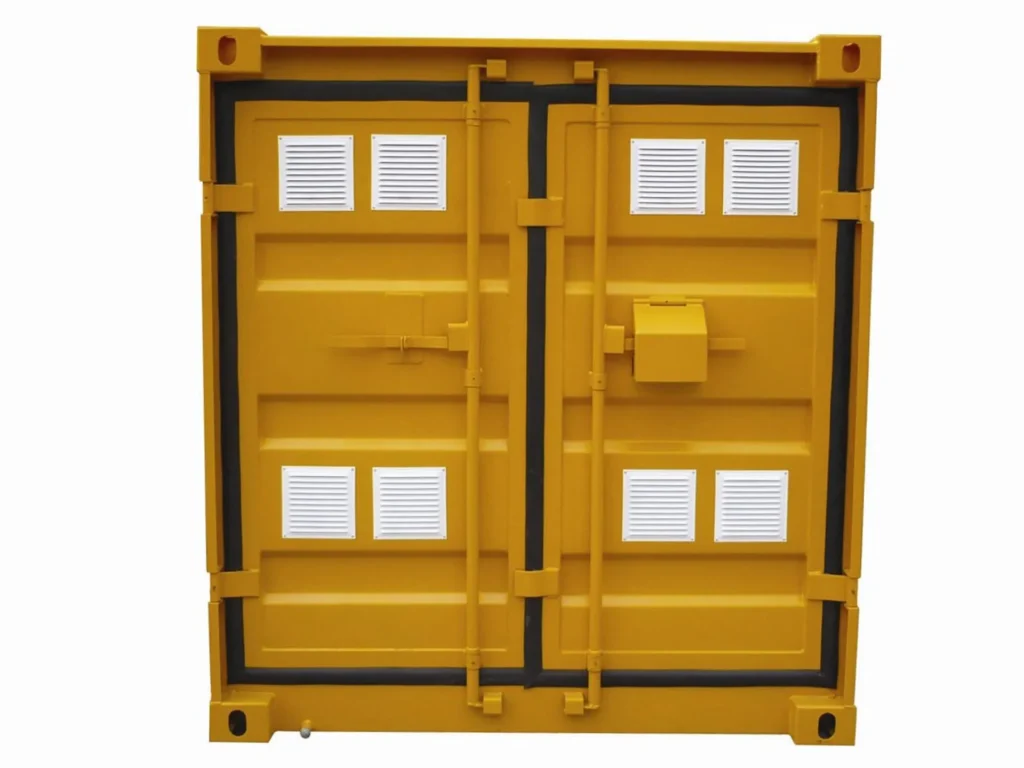
10′ hazardous waste container
In stock
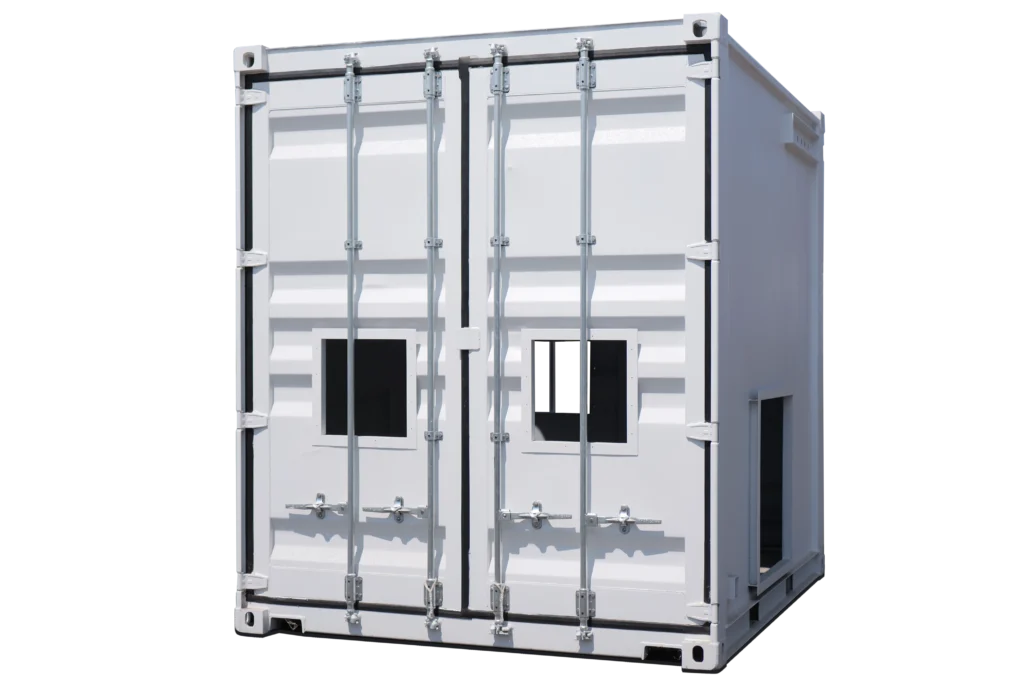
10ft Machinery Enclosure Container
In stock

2 Axle Tractor Drawbar Towing Hydraulic Trailer
In stock

20′ Double Door Container (Dd)
In stock
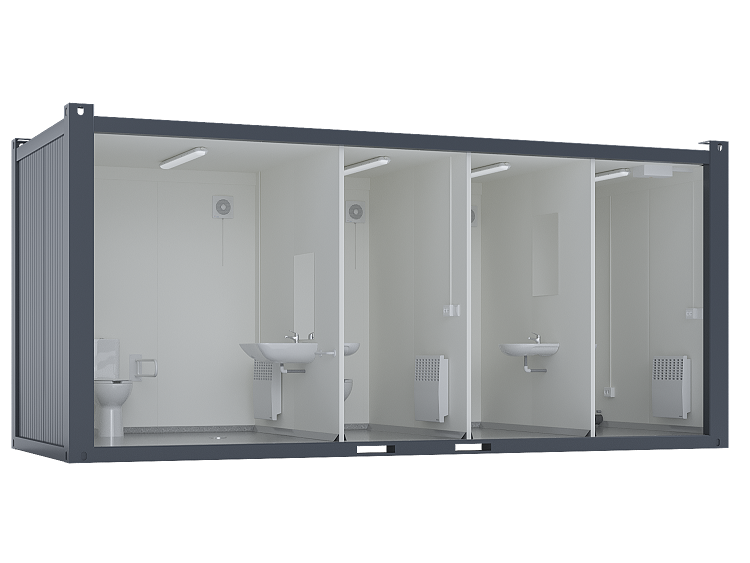
20′ Toilet Container, Three Standard And One Barrier-free Toilet, Premium
In stock

2025 Anvil 7×16 Enclosed Trailer For Sale W/ 84″ Interior Height
In stock
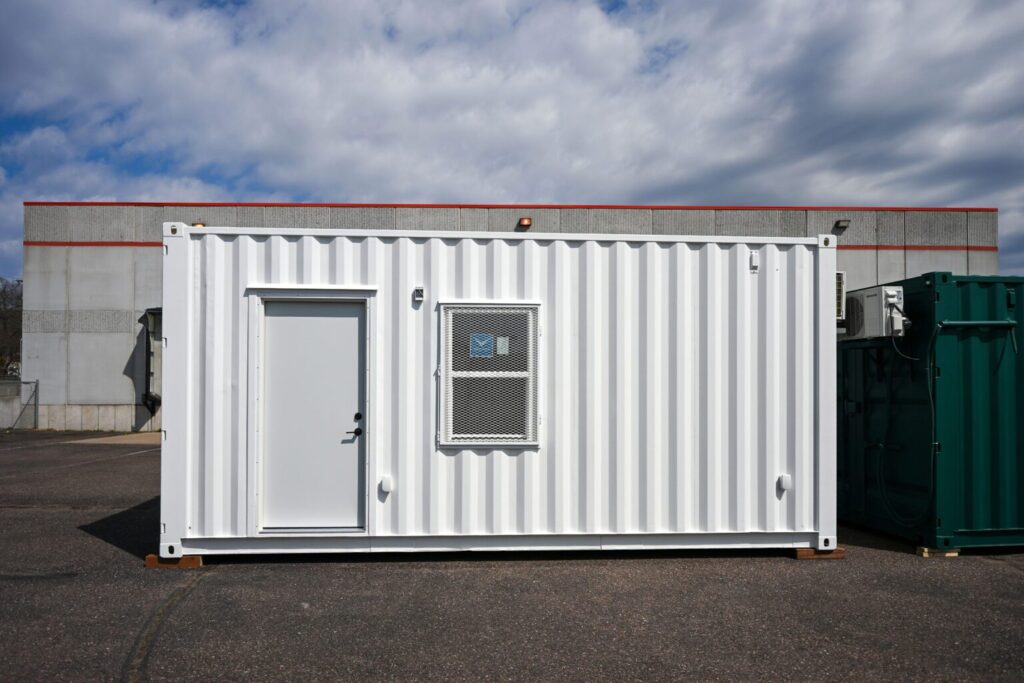
20ft Construction Office
In stock
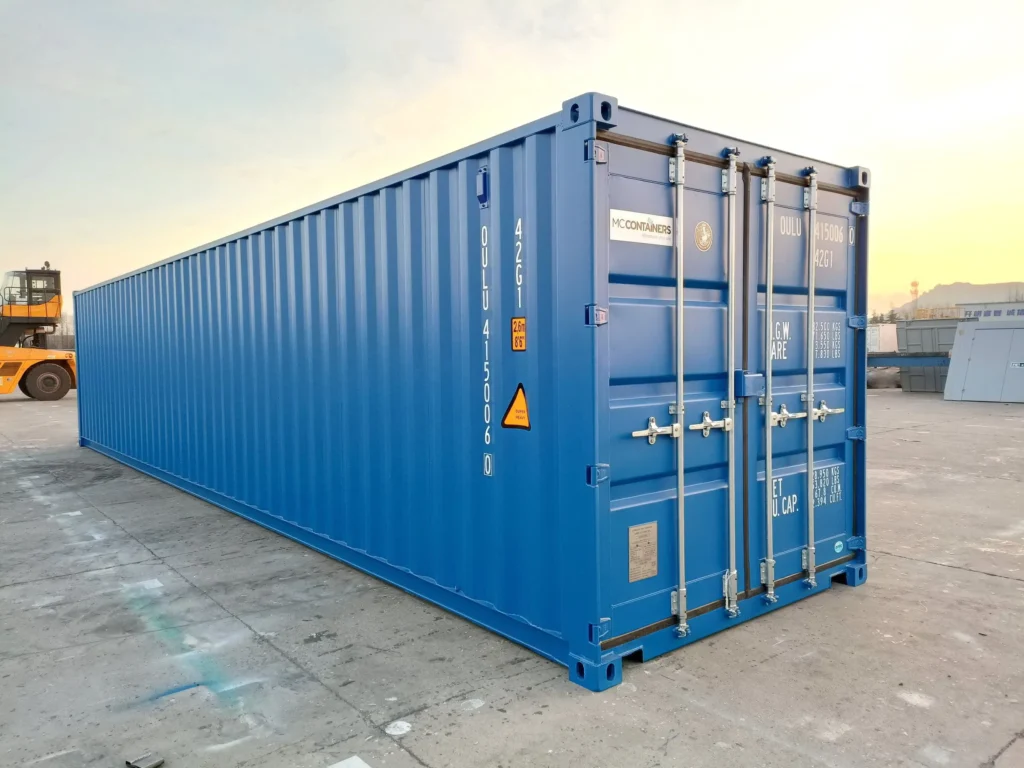
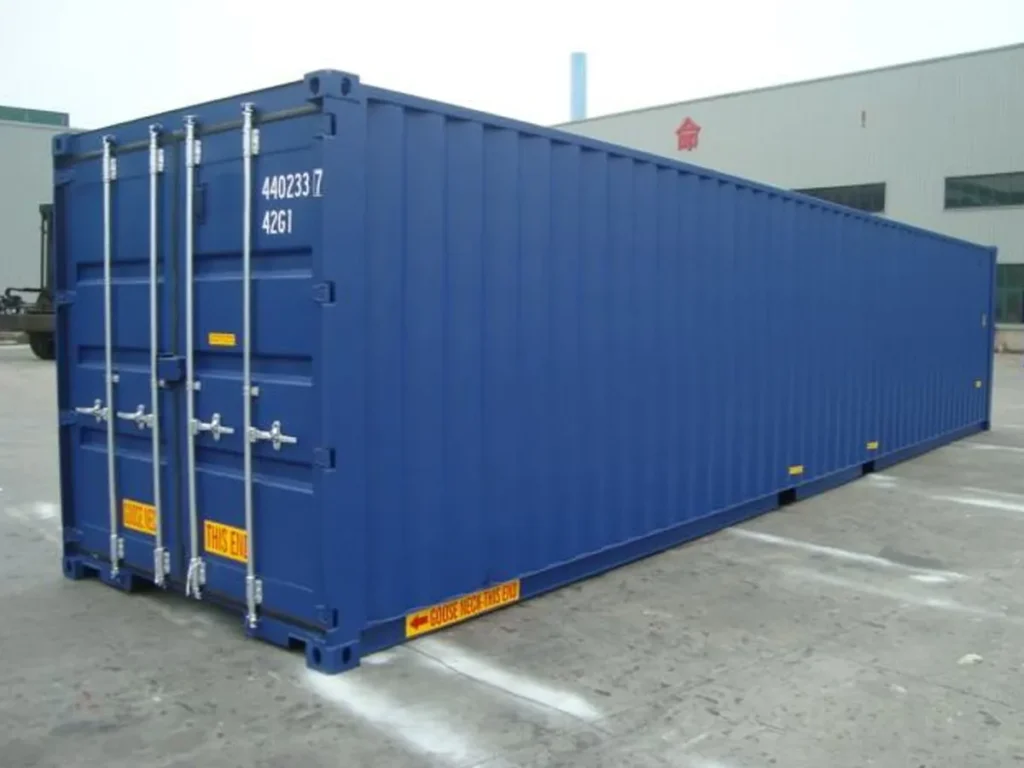
40′ Double Door Container (Dd)
In stock
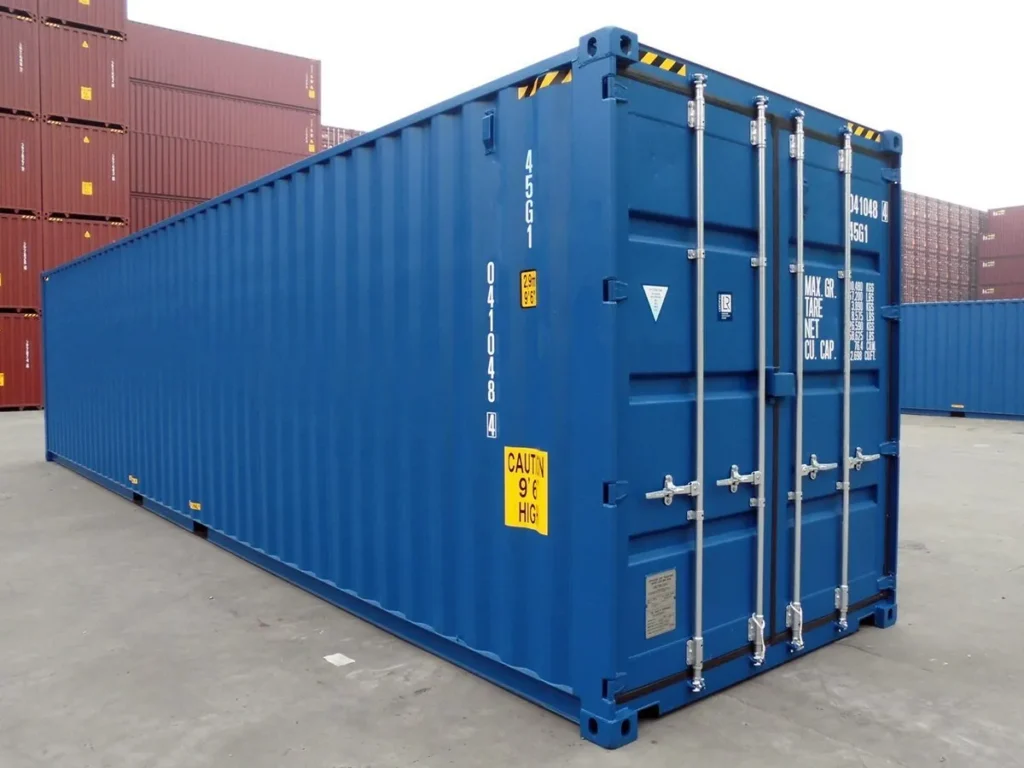
40′ High Cube (Hc) Container
In stock
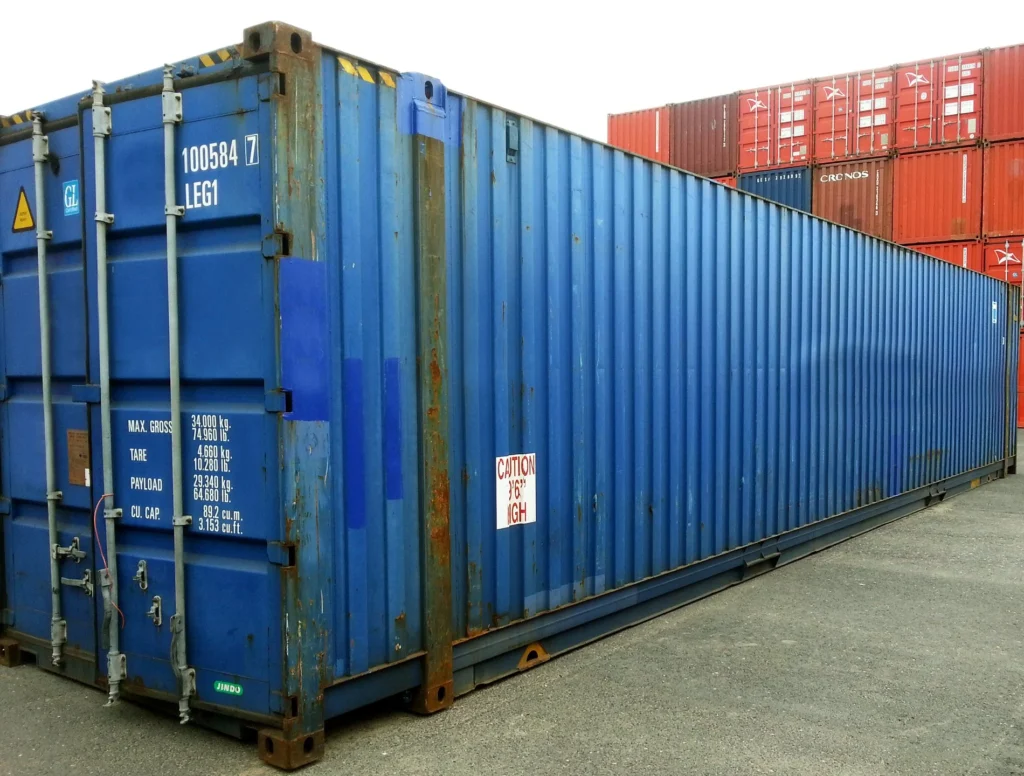

45ft Conjoined Shipping Container
In stock
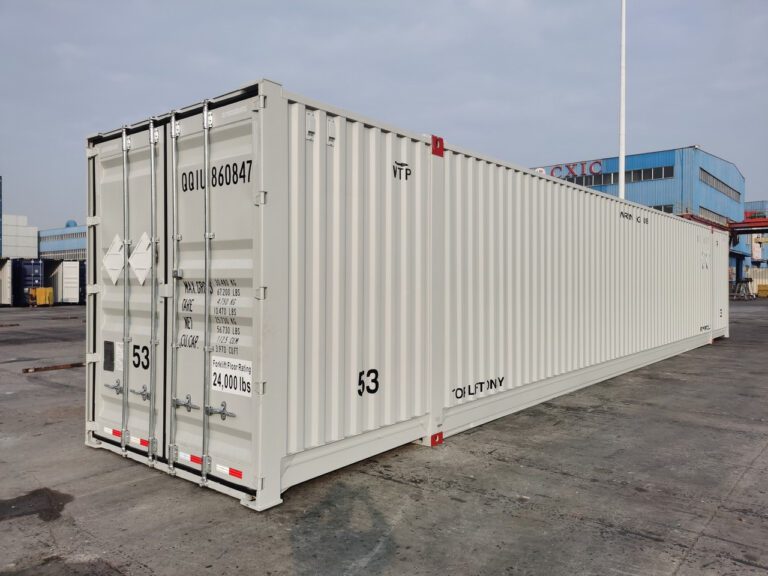
53ft High Cube New Shipping Container
In stock
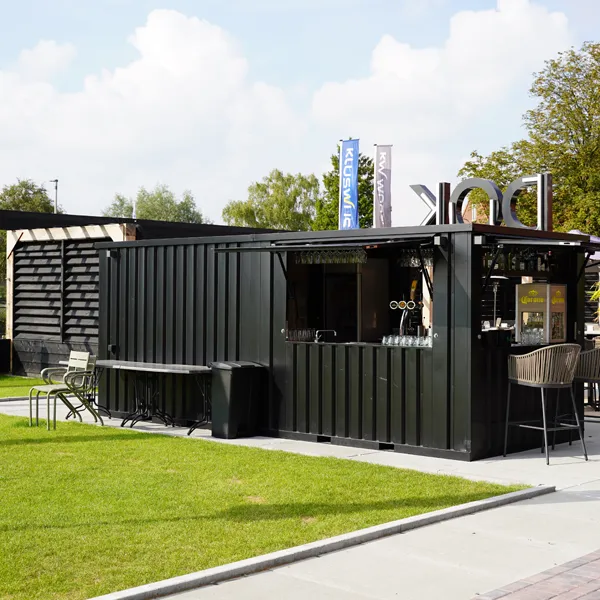
6×2 XL Shipping Container Bar – Perfect for Mobile Businesses, Outdoor Bars
In stock
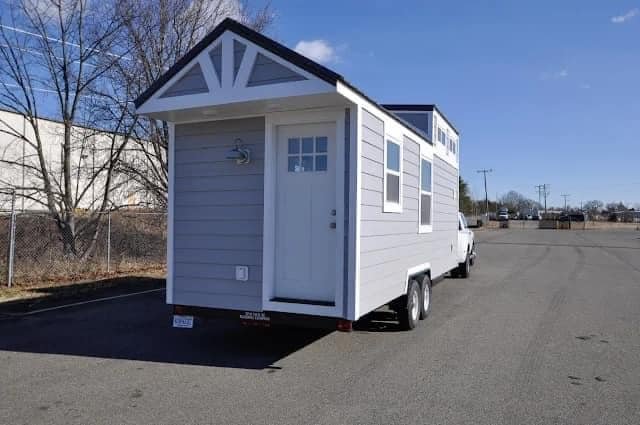
Affordable Container Home
In stock
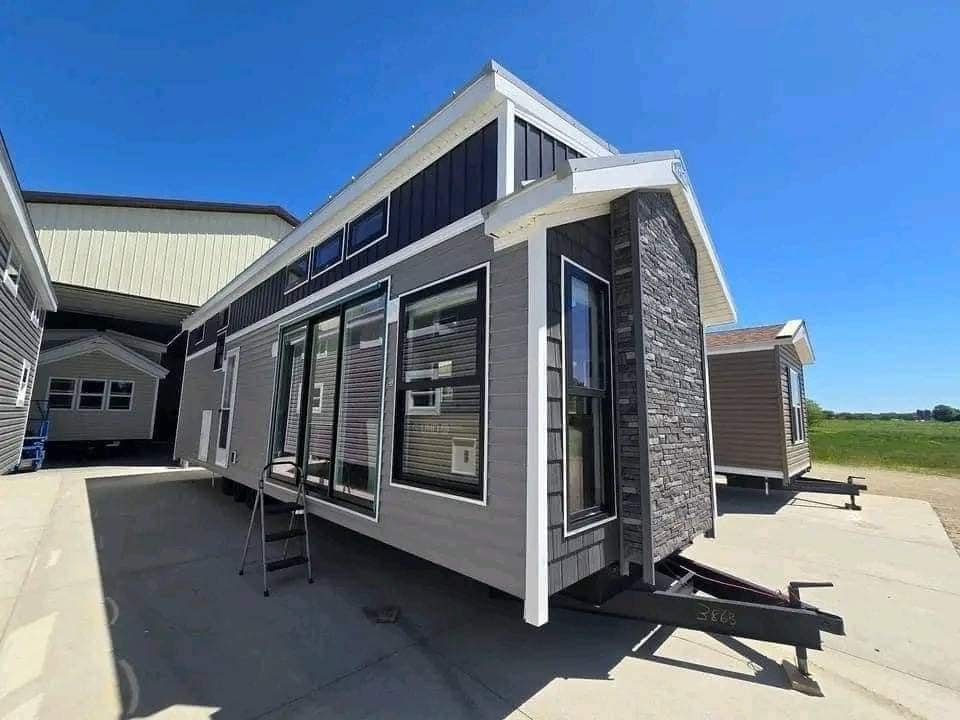
Affordable Container Homes
In stock
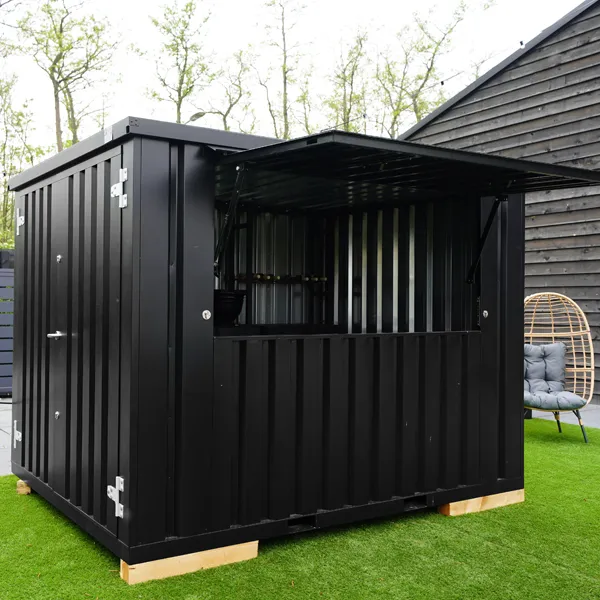
Black Shipping Container Bar 3×2 Meters – Demountable, Folding Canopy
In stock
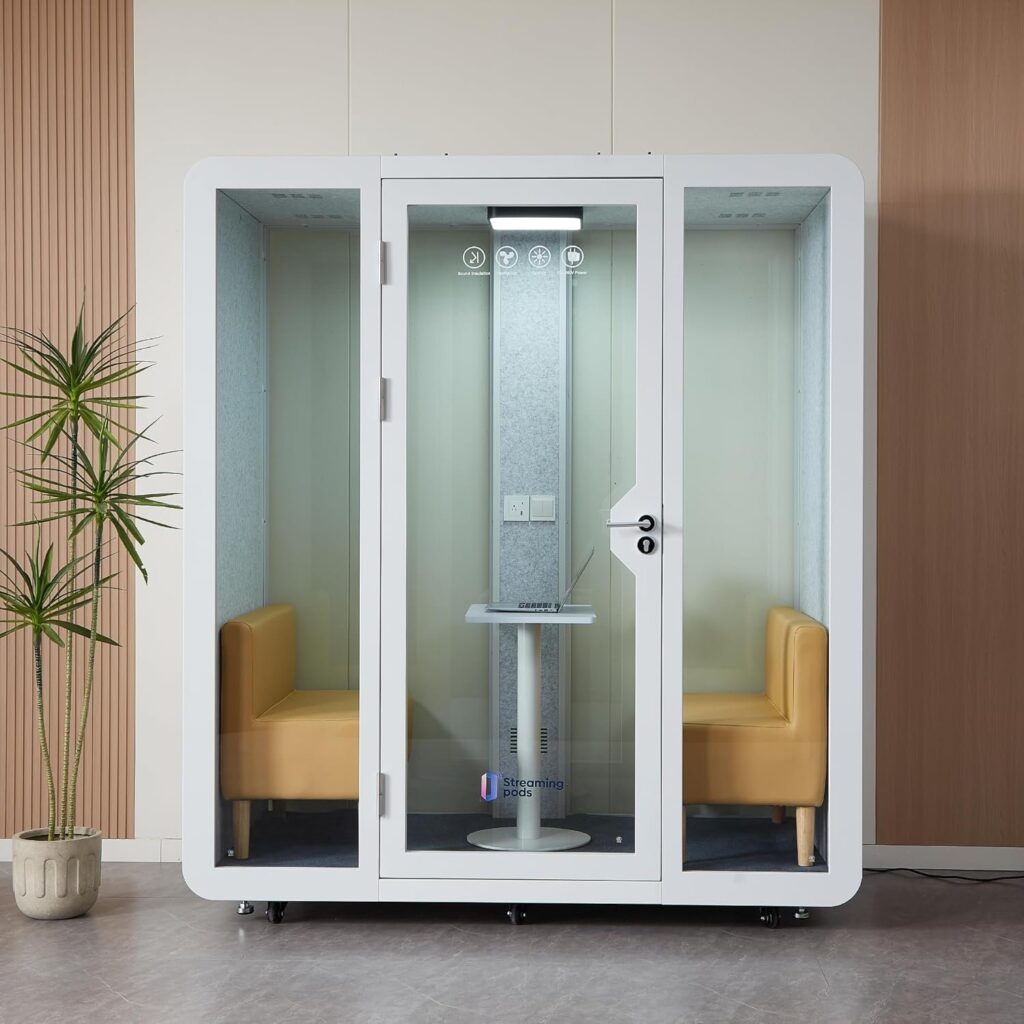
GEARONIC Mobile Office Pod Booth, Standard Sound Proof Office Pod for 2 People, Sound Pod Booth with Mobile Roller, LED Lighting System,Fans and AC USB Ports
In stock
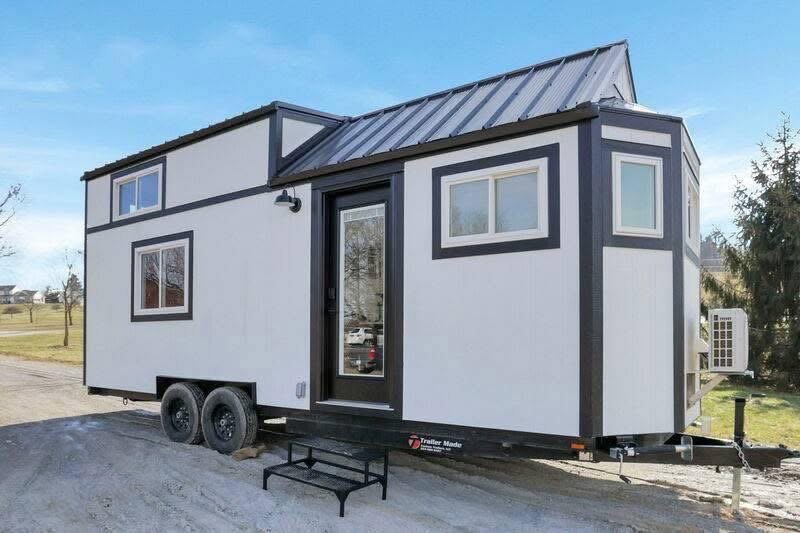
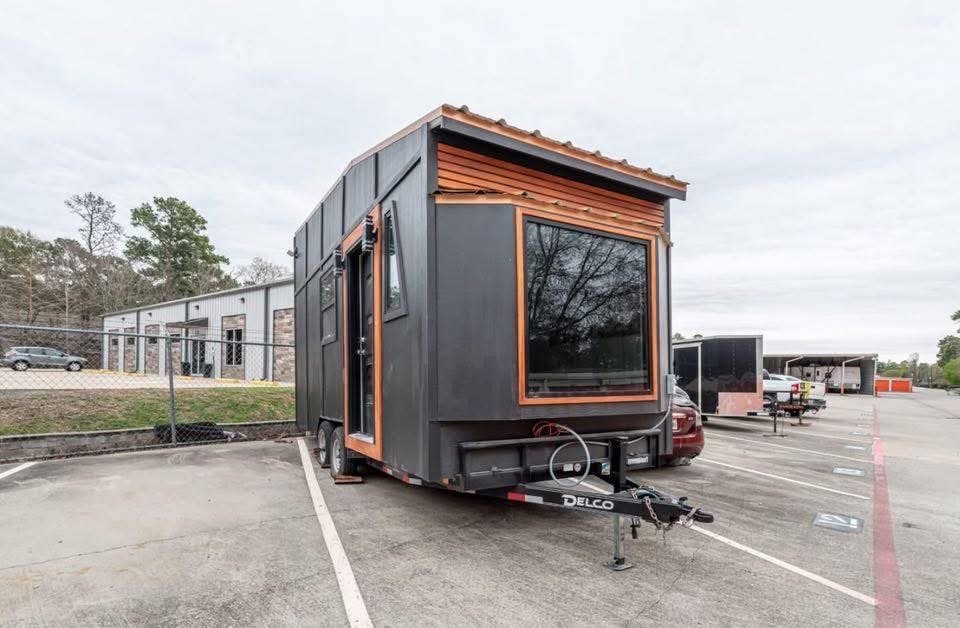
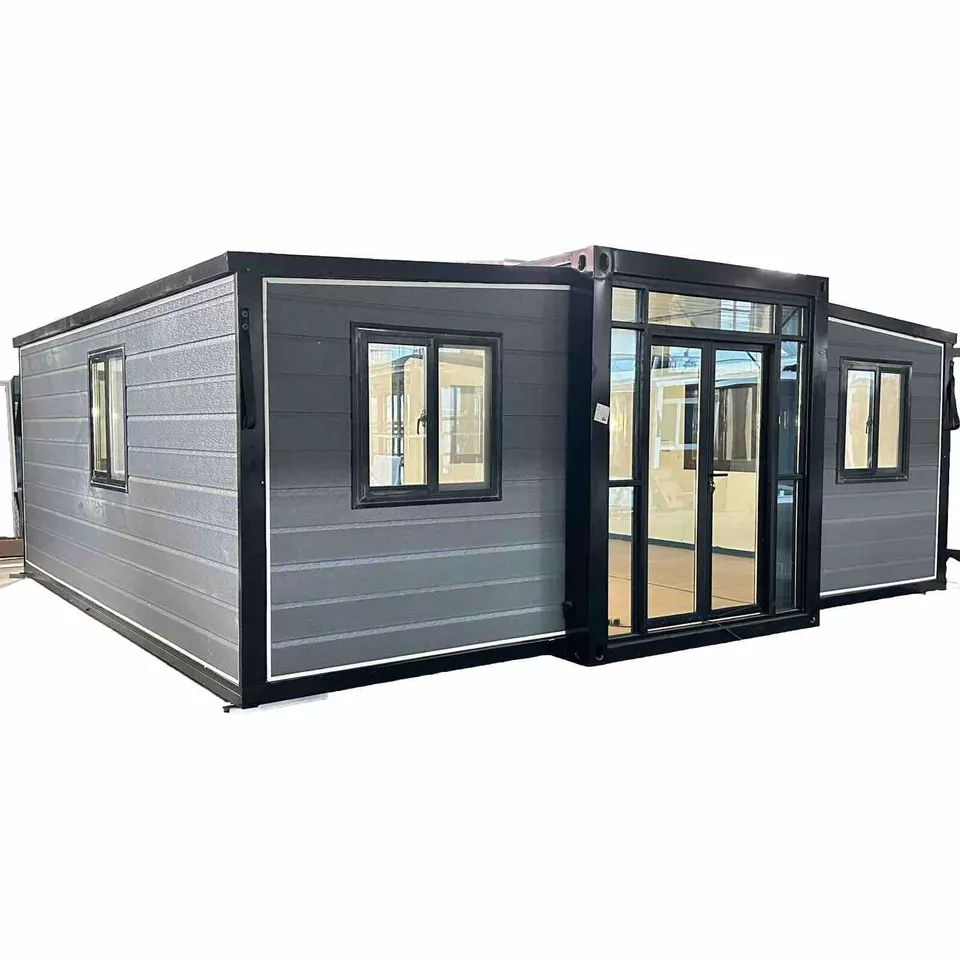
Transportable 2 Bed 1 Bath Expandable Home
In stock


Reviews
Clear filtersThere are no reviews yet.